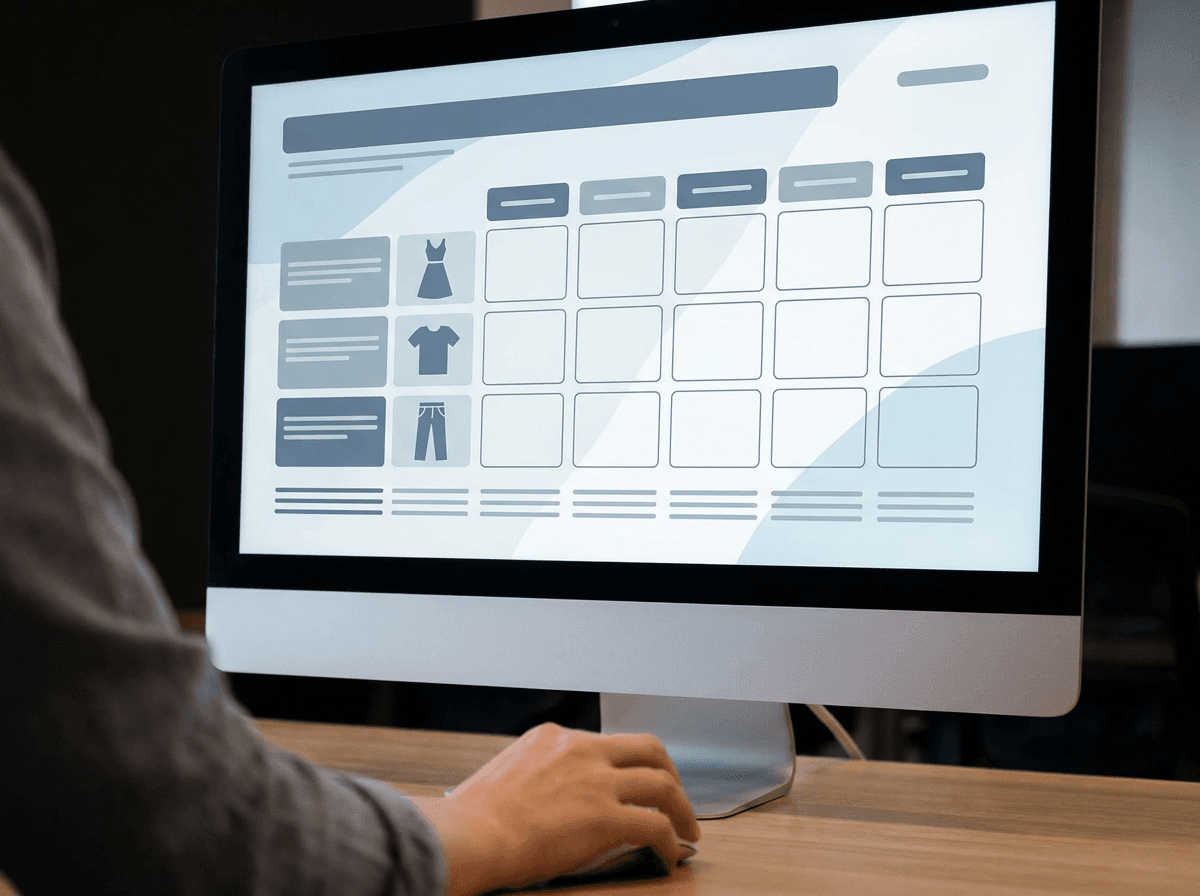
Picture this: you’re scrolling online after a long day, and there it is. The perfect dress. The colour is just right, the style is exactly what you’ve been looking for, and you can already imagine wearing it to your next brunch in Colombo or a weekend getaway down south. You click on it, your heart does a little flutter, and then the familiar wave of anxiety hits: “What size should I get?”
This single question is the biggest barrier between you and a wardrobe you truly love. The fear of an item arriving too tight, too loose, or just plain wrong is real. It leads to hesitation, abandoned carts, and the hassle of returns. But what if we told you that you could buy clothes online in Sri Lanka with the same confidence as if you were trying them on in a physical store? It’s not magic; it’s a skill. And by the end of this guide, you’ll be a master.
Forget generic advice. This is your comprehensive, 2026 fashion fit guide, designed specifically for the modern Sri Lankan woman. We’re talking about the chic, contemporary pieces you want to wear every day—from breezy cotton dresses to sharp office blouses. Let’s banish sizing anxiety for good and turn every ‘Add to Cart’ click into a moment of pure, unadulterated confidence.
The Foundation of a Perfect Fit: Know Your Numbers
The first rule of online shopping is to completely ignore the size label you think you are. A ‘Medium’ in one brand can be a ‘Large’ in another and a ‘Small’ in a third. International sizing, fast fashion vanity sizing, and different brand blocks make S-M-L labels unreliable at best. The only number that truly matters is your own.
Empowering yourself starts with knowing your measurements. This is the single most important step to successfully buy clothes online in Sri Lanka. It takes just five minutes but will save you countless hours of frustration and disappointment. Think of your measurements as your personal fashion passport—your key to a world of perfectly fitting clothes.
Your Essential Toolkit: What You'll Need
You don’t need any fancy equipment to become your own personal tailor. Your toolkit is simple, and you likely have everything you need at home right now.
- A Flexible Measuring Tape: This is non-negotiable. Look for a soft, plastic, or fabric tailor’s tape. Do NOT use a metal construction tape measure, as it won’t curve around your body correctly and will give you inaccurate readings.
- A Pen and Paper (or Notes App): You need somewhere to jot down your numbers. Don’t try to memorise them! Keep them handy on your phone or a notepad near your computer for easy reference while you shop.
- A Full-Length Mirror: This helps you ensure the tape is positioned correctly and is parallel to the floor, which is crucial for accuracy.
- Minimal Clothing: For the most accurate results, measure yourself in your underwear or close-fitting clothing like leggings and a tank top.
How to Measure for Clothes: The Core Four Measurements
Stand up straight in a relaxed, natural posture. Don’t suck in your stomach or puff out your chest. The goal is to measure your body as it is, so your clothes fit you comfortably every day.
- Bust: Stand with your arms relaxed at your sides. Wrap the measuring tape around the fullest part of your bust. The tape should be snug but not tight enough to compress your chest. Make sure the tape is straight across your back and parallel to the floor.
- Waist: To find your natural waist, bend to one side. The crease that forms is your natural waistline—it's the narrowest part of your torso, typically an inch or so above your belly button. Wrap the tape around this point. Keep it snug, but leave enough room to slide one finger underneath.
- Hips: Stand with your feet together. Wrap the measuring tape around the absolute fullest part of your hips and bottom. Again, check in the mirror to ensure the tape is level all the way around.
- Inseam (for Trousers & Jeans): This one can be tricky to do on your own. The easiest way is to take a pair of trousers that already fit you perfectly in length. Lay them flat and measure from the crotch seam straight down to the bottom of the hem. This is your ideal inseam.
Beyond the Basics: Other Useful Measurements
While the core four will get you through most purchases, a few other measurements can be incredibly helpful for specific items.
- Shoulder Width: Measure from the bony point of one shoulder across your back to the bony point of the other shoulder. This is vital for structured blazers and button-up shirts.
- Sleeve Length: With your arm slightly bent, measure from the point of your shoulder, down your arm, to your wrist bone (or wherever you prefer your sleeves to end).
- Dress/Skirt Length: Stand straight and measure from the highest point of your shoulder (where a strap would sit) down to where you’d like the hem to fall (e.g., mid-thigh, knee, mid-calf for a midi).
Decoding the Online Shopping Size Guide: A Masterclass
Once you have your measurements, the brand’s size chart becomes your best friend. Every product page should have one. It’s the Rosetta Stone that translates a brand’s unique sizing into numbers you can actually use. Learning to read it properly is the key to unlocking a perfect fit.
Reading Between the Lines: Garment vs. Body Measurements
This is a detail that trips up many shoppers. Most size charts show body measurements—meaning, if your bust is 36 inches, you should choose the size that corresponds to a 36-inch bust. However, some brands, especially for looser items, provide garment measurements. These are the flat measurements of the clothing item itself.
How do you use this? Imagine your bust measurement is 38 inches. A size chart for a non-stretch blouse might show that the 'Medium' garment measurement for the bust is 40 inches. This tells you the blouse will have 2 inches of "positive ease" (extra room), which is perfect for a comfortable, non-restrictive fit. If the garment measurement was 38 inches, it would be skin-tight. Always check the product description for clues on which type of measurement is being used.
Understanding Fit Descriptions: Slim, Regular, Relaxed, and Oversized
Words matter. A brand’s description of the fit gives you vital clues about how an item is intended to drape on the body.
- Slim Fit: Designed to sit close to the body, contouring your shape. There's very little extra fabric. If your measurements fall between two sizes, it's often wise to size up for comfort, especially in non-stretch fabrics.
- Regular/Classic Fit: This is the standard fit. It follows your shape but leaves a little room for movement. Your body measurements should align closely with the size chart for this fit.
- Relaxed/Loose Fit: Intentionally designed to be roomy and comfortable. For this style, you can usually stick to the size that matches your measurements to achieve the intended drapey look.
- Oversized Fit: This is a fashion statement. The garment is meant to be very large and voluminous. You can often size down one or even two sizes if you prefer a less dramatic silhouette but still want a relaxed feel.
The Fabric Factor: How Material Affects Fit
Fabric composition is a game-changer. Two dresses with the exact same measurements can fit completely differently based on the material. This is especially true in Sri Lanka’s humid climate, where breathability is key.
- Non-Stretch Wovens (e.g., 100% Cotton, Linen, Poplin, Rayon): These fabrics have zero give. For these items, your measurements must be less than the garment's measurements. Pay close attention to the bust and hip numbers. A piece like the gorgeous Elegant Cream Midi Shirt Dress, made from 100% cotton, requires an accurate bust measurement to ensure the buttons close smoothly without any pulling.
- Stretch Fabrics (e.g., Jersey, Knit, Spandex/Elastane Blends): These materials are far more forgiving. They can stretch to accommodate your curves, so you have more wiggle room with sizing. They are fantastic for comfort in the heat.
- Structured Fabrics (e.g., Denim, Heavy Twill): Even if they have a little stretch, these heavier materials can feel more restrictive. It’s always good to double-check the hip and thigh measurements on the size chart for jeans and structured trousers.
A Practical Fashion Fit Guide for Popular Styles in Sri Lanka
Let's apply this knowledge to the modern wardrobe staples we see and love across the island, from the bustling streets of Colombo to the serene hills of Kandy.
The Perfect Dress: From Midi to Maxi
A well-fitting dress is a one-and-done outfit, perfect for our busy lives. But the most important measurement depends on the silhouette.
- Fit-and-Flare or A-Line Dresses: Your bust and waist measurements are the most critical here. The skirt flares out, so the hip measurement is usually free and forgiving.
- Sheath or Shift Dresses: These styles are less forgiving and require a close look at all three core measurements: bust, waist, and hips. Find your largest measurement of the three and choose the size that accommodates it. A tailor can always take in the other areas for a custom fit.
- Shirt Dresses: For this classic, versatile style, the bust and shoulders are paramount. The biggest fit issue is the dreaded button gap across the chest. If your bust measurement is at the upper end of a size range, it's almost always better to size up. This ensures a clean, smooth front, just like you'd want with the chic Classic Black Cotton Midi Shirt Dress. Its button-down nature means the bust fit is everything.
- Empire Waist or Maxi Dresses: Here, the fit is defined by the area just under the bust. Your bust measurement is the key. The rest of the dress flows away from the body, making it a wonderfully comfortable and flattering option for the Sri Lankan heat.
Nailing the Fit: Blouses and Tops
A great top can elevate a simple pair of trousers or a skirt. The key to looking polished is getting the fit right across the upper body.
- Shoulders and Bust: These are your two most important checkpoints. The seam of the sleeve should sit right at the edge of your shoulder bone. If it's drooping down your arm, the top is too big. If it's creeping up towards your neck, it's too small.
- The Button Gap: For button-up blouses, the same rule as shirt dresses applies. Always prioritize your bust measurement to avoid pulling. A beautiful, detailed piece like the White Broderie Anglaise Button-Up Blouse deserves a perfect, gap-free fit to let its delicate details shine.
- Sleeve and Body Length: Check the product description for length measurements to ensure the top hits where you want it to, whether you plan on tucking it in or wearing it loose.
Trousers and Jeans: The Ultimate Challenge
Trousers are notoriously the hardest item to buy online, but it’s not impossible! It just requires diligence.
- The Holy Trinity: You need your waist, hip, and inseam measurements. Do not compromise on these.
- Understand the "Rise": The rise is the distance from the crotch seam to the top of the waistband. This tells you where the trousers will sit on your body. A high-rise pair will sit at your natural waist, so that's where you should measure. A mid-rise or low-rise pair will sit lower, so you'll need to measure your "low waist" (usually around your hip bones).
- Fabric is Key for Comfort: In our tropical climate, 100% heavy denim can feel suffocating. Look for trousers made from breathable cotton, linen blends, or modern technical fabrics. For example, a pair like the Eddie Bauer Women's Grey Technical Stretch Travel Pants is designed with stretch and performance fabric, making them an excellent, comfortable choice for everything from travel to running errands.
Pro Tips for Confident Online Shopping in Sri Lanka
You’ve mastered the measurements and can read a size chart like a pro. Now, let’s add a few more expert strategies to your arsenal to guarantee a successful purchase every time.
Become a Review Detective
Customer reviews are an absolute goldmine of fit information. Don’t just look at the star rating; read what people are saying. Look for reviewers who share their personal stats (height, weight, and typical size) and what size they bought. A comment like, “I’m 5’4”, usually a UK 12, and my bust is 38". I bought the Large and it fits perfectly!” is more valuable than any product description. These real-world insights help you contextualise the sizing.
The Model's Stats Are Your Clue
Reputable online stores will always list the model’s height and the size she is wearing in the photos. This is a crucial reference point, especially for length. If a model who is 5'9" is wearing a size S and the dress hits her mid-thigh, you can be sure that if you are 5'3", that same dress will likely be knee-length or longer on you. Use this information to manage your expectations about how an item will fall on your frame.
Build Your Own Brand "Size Profile"
As you shop, you'll start to notice that certain brands just work for your body shape. When you find a brand whose sizing is consistent and fits you well, make a note of it! Create a "size profile" in your phone's notes app. For example: "Brand X: Size M in dresses, Size L in slim-fit tops. Brand Y: Size 12 in trousers." This personal database makes future purchases from those brands incredibly fast, easy, and reliable.
The 'Add to Cart' Confidence Checklist
Feeling empowered? Let’s put it all together. Before you click that final confirmation button, run through this quick checklist. If you can tick off every box, you can shop with total peace of mind.
- [ ] I have my current bust, waist, and hip measurements written down.
- [ ] I have located and carefully read the product's online shopping size guide.
- [ ] I know if the chart lists BODY measurements or GARMENT measurements.
- [ ] I have considered the fabric (is it stretch or non-stretch?).
- [ ] I understand the item's intended fit (e.g., slim, relaxed, oversized).
- [ ] I have checked the model's height and the size she's wearing for reference.
- [ ] I have scrolled through the customer reviews for any real-world sizing tips.
- [ ] I've considered how the Sri Lankan humidity will feel in this fabric and fit (is there enough "ease" for breathability?).
Armed with your measurements and this powerful checklist, the world of online fashion is truly your oyster. Say goodbye to sizing stress and hello to a wardrobe filled with pieces that make you look and feel incredible. Happy shopping!
Frequently Asked Questions (FAQ)
What if I'm between two sizes on the size chart?
This is a common scenario! The best course of action depends on the fabric and the fit. For a slim-fit item or one made from forgiving stretch fabric, you can often size down for a more body-hugging look. For non-stretch woven fabrics (like cotton or linen) or if you prefer a looser, more comfortable fit, it's almost always safer to size up. A good tailor can easily make a garment smaller, but they can rarely make it bigger.
Do women's clothing sizes in Sri Lanka differ from international sizes (US, UK, EU)?
Absolutely. There is no single universal sizing standard, and sizes can vary dramatically from country to country and brand to brand. A UK size 10 is not the same as a US size 10. This is precisely why you should learn to ignore the arbitrary size number and focus only on your personal measurements in inches or centimetres. Always, always compare your numbers to the specific size chart on the product page you are looking at.
The size chart has measurements in both inches and cm. Which should I use?
Use whichever unit of measurement you are most comfortable and familiar with, but the most important thing is to be consistent. If you measure your body in inches, make sure you are looking at the inches column on the size chart. If you use centimetres, stick to the cm column. Accidentally mixing the two is a very easy mistake to make and will definitely result in a poor fit.
How often should I re-measure myself?
Our bodies naturally change over time. It’s a great practice to take new measurements every 6 to 12 months, or after any significant lifestyle changes (such as a new fitness routine or diet). Keeping your numbers current is the best way to ensure your continued success when you buy clothes online in Sri Lanka.
What's the most important thing to consider for fit in Sri Lanka's hot climate?
Beyond getting the basic measurements right, the most crucial element for comfort in our heat and humidity is "ease." This is the extra space between your body and the garment. When buying non-stretch items like a cotton dress or a linen blouse, ensure the garment's measurements are at least 1-2 inches larger than your body measurements, especially in the bust and waist. This air gap allows for crucial ventilation, preventing the fabric from sticking to your skin and helping you stay cool and comfortable all day long.