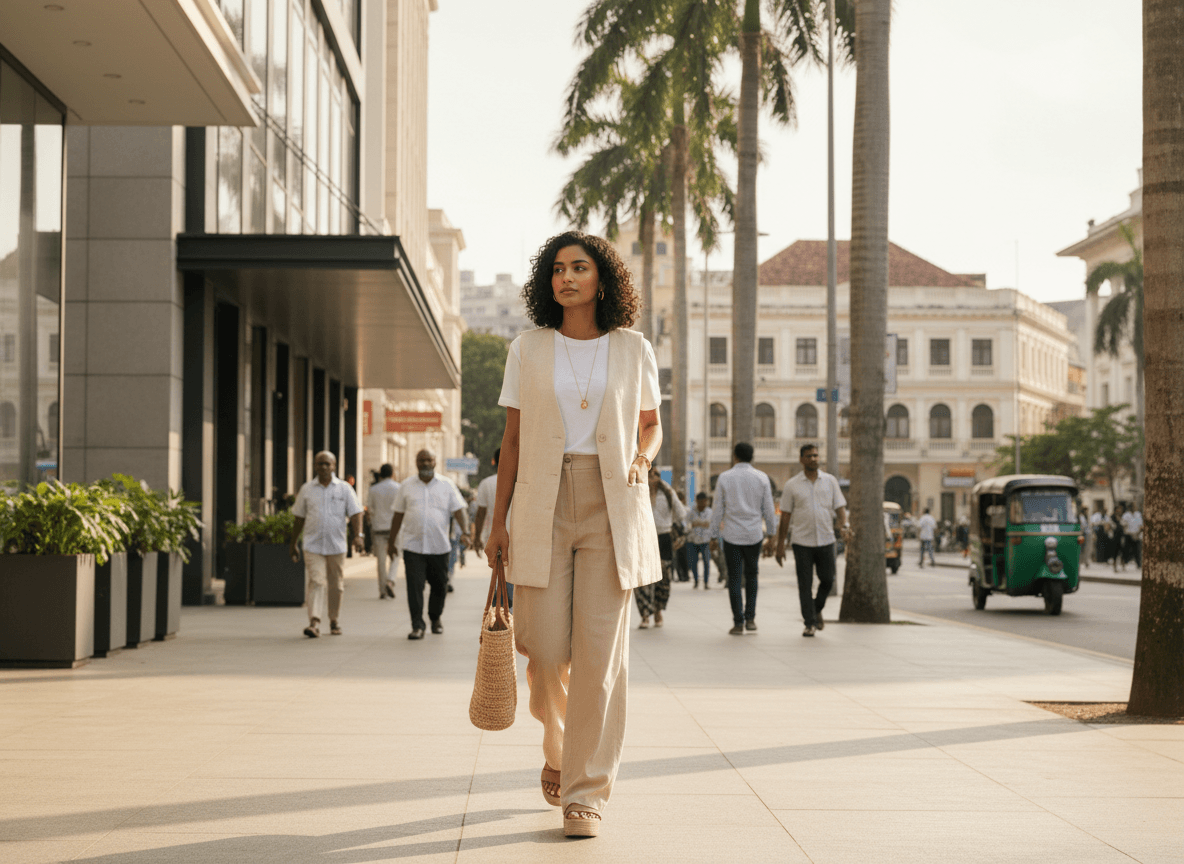
Let’s be honest. In Sri Lanka, you can walk out of your house feeling like a million bucks, your outfit crisp and perfect, only to feel like a crumpled napkin thirty minutes later. The culprit? Our beloved, but relentless, tropical humidity. It’s the secret nemesis of every fashion-forward woman on the island, turning sharp lines into sad waves and making "effortlessly chic" feel truly effortless… and not in a good way.
This constant battle for a wrinkle-free existence brings us to a crucial question in modern garment care in Sri Lanka: what’s the better weapon in our arsenal? The traditional, trusty iron or the sleek, modern garment steamer? This isn’t just about getting wrinkles out; it’s about preserving the beauty, shape, and lifespan of the clothes you invest in. Proper care is the difference between a blouse that looks stunning for years and one that looks tired after a few washes. So, let's settle the great iron vs steamer debate once and for all, with practical laundry tips for humidity that every Sri Lankan woman needs.

The Great Debate: Understanding the Iron and the Steamer
Before you can pick a side, it’s essential to understand how each tool works. They both aim to remove wrinkles from clothes, but they take fundamentally different approaches. One is a master of pressure, the other a maestro of gentle persuasion.
The Classic Iron: Precision and Power
The household iron is a tool we all grew up with. It works by using a combination of direct, high heat and pressure from its flat soleplate to flatten the fibres of your clothing. The addition of steam from the iron helps to relax these fibres, making the pressing process more effective.
Pros of Using an Iron:
- Unmatched Precision: Nothing beats an iron for creating sharp, crisp creases. Think of the perfect collar on a button-down shirt, the sharp pleats on a skirt, or the defined centre line on tailored trousers.
- Powerful on Tough Wrinkles: For stubborn, deep-set wrinkles in sturdy fabrics like heavy cotton, denim, and linen, the direct pressure of an iron is far more effective than steam alone.
- Hygienic: The high, direct heat is excellent at killing bacteria and dust mites that might linger in fabrics, leaving them feeling exceptionally fresh.
Cons of Using an Iron:
- Risk of Damage: The high heat poses a significant risk of scorching or burning delicate fabrics like silk, chiffon, or even certain polyester blends if you’re not careful.
- Time and Space: Ironing is a process. It requires setting up an ironing board, waiting for the iron to heat up, and meticulously working on each section of a garment.
- Can Cause Shine: On dark fabrics, incorrect ironing can flatten the fabric's nap and create an undesirable "shine."
The Modern Steamer: Gentle and Fast
A garment steamer is the new kid on the block for many households, but it’s a long-held secret of the fashion industry. It works by shooting a continuous flow of hot steam onto hanging fabric. This steam gently relaxes the fibres, causing the wrinkles to simply fall away without any direct pressure.
Pros of Using a Steamer:
- Incredibly Gentle: As there’s no direct contact or pressure, a steamer is the safest option for delicate and sensitive fabrics like silk, satin, viscose, and anything with embellishments like beads, sequins, or prints.
- Speed and Convenience: For quick touch-ups, a steamer is unbeatable. A handheld model heats up in under a minute, and you can de-wrinkle a dress in just a couple of minutes right on its hanger. No board required!
- Freshens and Deodorises: The hot steam helps to kill odour-causing bacteria, making it perfect for freshening up a blazer or dress that’s been worn once but isn’t dirty enough for a full wash.
- Versatile: It works on everything from clothing to curtains and upholstery.
Cons of Using a Steamer:
- No Sharp Creases: A steamer relaxes fibres; it doesn’t press them. You will never achieve a razor-sharp collar or trouser crease with a steamer alone.
- Less Effective on Heavy Fabrics: While it can improve the look of heavy cotton or linen, it may not be able to eliminate every single deep-set wrinkle.
- Water Refills: Handheld models have small water tanks and will need refilling, especially if you’re steaming multiple items.
Fabric Focus: Choosing Your Weapon for a Modern Wardrobe
The right choice between an iron and a steamer often comes down to the fabric you're dealing with. A modern wardrobe is a beautiful mix of materials, and each requires a specific touch. This is a core principle of elevated women's fashion in Sri Lanka—it's not just what you wear, but how you present it.
 For Natural Fibers: Cotton, Linen & Denim
These are the workhorses of our tropical wardrobe, prized for their breathability. They also happen to be the most prone to wrinkling.
Cotton: For a crisp, professional finish on a classic cotton shirt, an iron is your best friend. The high heat and pressure are what give a shirt its structure and polish. For pieces like the beautiful Levi's Women's Classic Long Sleeve Button-Down Shirt, using a steam iron on a medium-to-high setting will ensure the collar and cuffs are perfectly sharp, making you look put-together for any office day or smart-casual event. For a softer, more relaxed look on your cotton tees and casual dresses, a quick pass with a steamer is more than enough.
Linen: Ah, linen. The epitome of tropical chic and a wrinkle magnet. The secret to ironing linen is to do it while the fabric is still slightly damp. This allows the iron to press the fibres flat much more effectively. If it’s already dry, use a spray bottle to mist it with water. A steamer is also fantastic for linen, especially for a quick refresh before you head out the door, giving it that soft, lived-in elegance rather than a stiff, formal look.
Denim: Most denim jeans don't require any de-wrinkling. However, if your denim jacket or shirt has been packed away, a steamer is the best way to release those folds and soften the fabric without making it feel stiff.

For Delicate & Synthetic Blends: Viscose, Rayon, Polyester & Silk
This is where steamers truly shine and irons must be handled with extreme caution.
Viscose & Rayon: These popular fabrics, known for their beautiful drape and silky feel, are notoriously sensitive to heat and can shrink or warp easily. A steamer is the safest and most effective tool. It will relax the wrinkles without any risk. If you absolutely must use an iron, turn the garment inside out, use the lowest possible heat setting (look for the "synthetic" or "silk" icon), and always use a pressing cloth between the iron and the fabric.
Polyester: Many modern blouses, dresses, and athletic wear are made from polyester or its blends. A steamer is perfect for these. It’s fast, efficient, and completely safe. Ironing polyester is risky; too much heat can literally melt the fibres, leaving a permanent shiny patch or even a hole.
Silk & Satin: Rule number one: keep irons away from silk unless you are a seasoned pro. A steamer is the only tool you should be using. It gently coaxes out wrinkles while protecting the fabric's natural lustre and delicate fibres. Steaming is non-negotiable for your special occasion sarees (the modern, georgette kind!), evening gowns, and delicate camisoles.
For Structured Garments: Blazers, Trousers & Chinos
Structured pieces require a bit of both worlds for a truly professional finish.
Blazers: A steamer is ideal for the main body of a blazer, the sleeves, and the back. It removes wrinkles without flattening the shoulder pads or internal structure. Then, for a sharp finish, you can use an iron on a low-to-medium setting to carefully press the lapels and pocket flaps.
Trousers & Chinos: If you want that sharp, confidence-boosting centre crease, an iron is the only way to go. For wardrobe staples like a great pair of Tommy Hilfiger Men's Classic Cotton Chino Pants, a precise iron press is what gives them their smart, tailored appearance. You can use a steamer to get the initial wrinkles out of the thigh and seat area, then finish with an iron for the creases.
The Humidity Hack: Pro Tips for Wrinkle-Free Living in Sri Lanka
Winning the war on wrinkles in our climate goes beyond your choice of tool. It starts the moment your clothes go into the wash. Adopting these laundry tips for humidity will dramatically reduce the amount of time you spend ironing or steaming.
Your Laundry Routine Matters
- Don't Overload the Washing Machine: This is the number one mistake people make. When clothes are packed too tightly, they can't move freely. They get twisted and tangled, and the wrinkles get pressed deep into the fibres during the spin cycle. Wash smaller loads for fewer wrinkles.
- Choose a Slower Spin Cycle: A high-speed spin wrings out more water, but it also plasters your clothes to the side of the drum, creating a roadmap of creases. Opt for a medium or lower spin speed. Your clothes will be a bit damper, but they'll be significantly less wrinkled.
- The 2-Second Shake-Out: As soon as the cycle finishes, don't let the clothes sit in a damp pile. Take each item out one by one, hold it by the shoulders (for a top) or a waistband (for trousers), and give it a few sharp, vigorous shakes. This simple action physically pulls out many of the wrinkles before they set.
Strategic Drying and Storage
How you dry and store your clothes is just as important as how you wash them.
Hang Dry, The Right Way: Gravity is your friend! Instead of tossing things over the line, hang them with intention. Put shirts and blouses on good quality (not wire) hangers and do up the top button to help the collar keep its shape. Hang trousers and jeans by the waistband using pegs. This allows the weight of the garment to pull out wrinkles as it dries.
Defeat the "Kodi Vala" Pile: We are all guilty of it—the dreaded pile of clean, dry laundry that sits in a basket for days. This is where perfectly smooth clothes go to get re-wrinkled. Make it a habit to fold or hang your clothes as soon as they are dry. It takes 10 minutes, but it saves you an hour of ironing later.
Wardrobe Wisdom: A crammed closet is a wrinkle factory. Clothes need space to breathe, especially in our humid air. If they are crushed together, they will wrinkle. Consider using slimline velvet hangers to maximise space and prevent slippage. For extra protection during the monsoon, place a few silica gel sachets or a small dehumidifying block in your wardrobe to absorb excess moisture.

The Verdict for 2026: Do You Need Both an Iron and a Steamer?
So, after weighing all the evidence, what’s the final call for the modern Sri Lankan woman? The answer, like a good outfit, depends on your lifestyle and your wardrobe.
If you must choose one, get a steamer. For a contemporary wardrobe filled with viscose blouses, polyester dresses, delicate tops, and casual cottons, a good handheld steamer is more versatile, faster, and infinitely safer than an iron. It’s the perfect tool for the fast-paced woman who needs to look polished in a hurry.
If your career demands a polished look, you need an iron. If your daily wear consists of crisp cotton shirts, tailored blazers, and structured trousers for the office, an iron is non-negotiable. The precision and sharp finish it provides are essential for a professional aesthetic.
The ultimate solution? Own both. This is the gold standard for comprehensive clothing care in the tropics. Use a quality steam iron for your heavy-duty items and for establishing those perfect creases. Then, use a handheld steamer for everything else—delicates, mid-week touch-ups, and refreshing garments between wears. This dual approach ensures you have the perfect tool for any fabric or situation, guaranteeing a flawless, wrinkle-free wardrobe no matter what the humidity throws at you.
 Frequently Asked Questions (FAQs) on Garment Care in Sri Lanka
We've covered the big debate, but here are answers to a few more specific questions we often hear.
1. Can I use a steamer on absolutely all fabrics?
Almost! Steamers are safe for most fabrics, including silk, cotton, polyester, and wool. However, you should be cautious with fabrics that can be damaged by moisture, like suede, leather, or waxed jackets. Always check the garment's care label first. If it says "Do Not Wash," it probably shouldn't be steamed either.
2. My white cotton shirts get a yellowish tint after ironing. Why is that?
This usually happens for two reasons. First, your iron's soleplate might be dirty with residue from other fabrics or starch spray. Clean it (when cool) with a designated iron cleaner or a paste of baking soda and water. Second, you might be using water with a high mineral content (tap water). These minerals can be deposited on the fabric and cause yellowing. Switch to using distilled water in your iron to prevent this.
3. I'm travelling and don't have an iron or steamer. How can I remove wrinkles?
The "bathroom hack" is your best friend! Hang your wrinkled garment on a hanger on the back of the bathroom door before you take a hot shower. The steam from the shower will help relax the fibres. It won't be as perfect as a steamer, but it works wonders in a pinch. You can also buy travel-sized wrinkle-release sprays.
4. Is a big standing steamer better than a small handheld one?
A standing steamer typically has a larger water tank, produces more powerful, continuous steam, and comes with a built-in hanger, making it great for steaming large batches of clothing. A handheld steamer is more portable, cheaper, and perfect for quick touch-ups and travel. For most people dealing with 1-3 outfits at a time, a good quality handheld steamer is more than sufficient.
5. How do I stop my clothes from feeling damp and getting a musty smell during the monsoon season?
This is a classic Sri Lankan challenge! Firstly, ensure clothes are 100% bone dry before putting them away. If you can, run a fan in the room where you air-dry clothes to improve circulation. Secondly, don't overfill your wardrobe. Finally, use moisture absorbers. Small, disposable dehumidifier boxes or hanging bags (available at most supermarkets) are lifesavers for preventing that damp, musty "wardrobe smell."