Let’s be honest, we’ve all been there. You reach for your favourite Kandyan saree, the one you saved for your cousin's wedding, only to be hit by that dreaded, musty smell. Or worse, you spot the faint, fuzzy green beginnings of kulupuh on a beloved batik sarong. Living in our beautiful, tropical paradise comes with one persistent, wardrobe-wrecking challenge: humidity. This constant battle against dampness is a universal Sri Lankan struggle, but it’s a battle you can win. This is your ultimate guide to building a kulupuh-proof wardrobe, focusing on the best fabric care in Sri Lanka and how to choose the right clothes for humid weather.
Forget generic advice. We’re diving deep into the specifics of Sri Lankan style, from the breezy comfort of a handloom kurtha to the elegant drape of an osariya. We’ll equip you with the knowledge to select, style, and—most importantly—care for your garments, ensuring they stay fresh, vibrant, and free from the clutches of mould. It's time to reclaim your wardrobe and dress with confidence, no matter what the monsoon season throws at you.

The Fabric Foundation: Your First Line of Defence Against Humidity
The war on kulupuh is won or lost at the point of purchase. The fabric you choose is the single most important factor in determining how your clothes will fare in Sri Lanka's climate. The goal is simple: breathability. You need materials that allow air to circulate and moisture (read: sweat) to evaporate quickly. Here’s a breakdown of the champions and the culprits in our tropical environment.
The Breathable Champions: Cotton, Linen, and Sri Lankan Handloom
These natural fibres are the undisputed kings of a tropical wardrobe. They are your best friends from the sweltering heat of Colombo to the balmy evenings in Galle.
- Cotton: Lightweight, soft, and incredibly breathable, cotton is a no-brainer. Think of those perfectly soft cotton sarongs, breezy kurtha tops, and comfortable daily-wear sarees. It absorbs moisture, pulling it away from your skin to help you feel cooler. For Sri Lanka, look for voiles, poplins, and seer-suckers which are exceptionally light.
- Linen: Linen is a true luxury fabric for the tropics. Made from the flax plant, it's even more breathable and absorbent than cotton. Yes, it wrinkles, but that's part of its charm! A crisp linen shirt or a pair of wide-leg linen trousers is the epitome of effortless island elegance. They are perfect for a smart-casual office look or a weekend brunch.
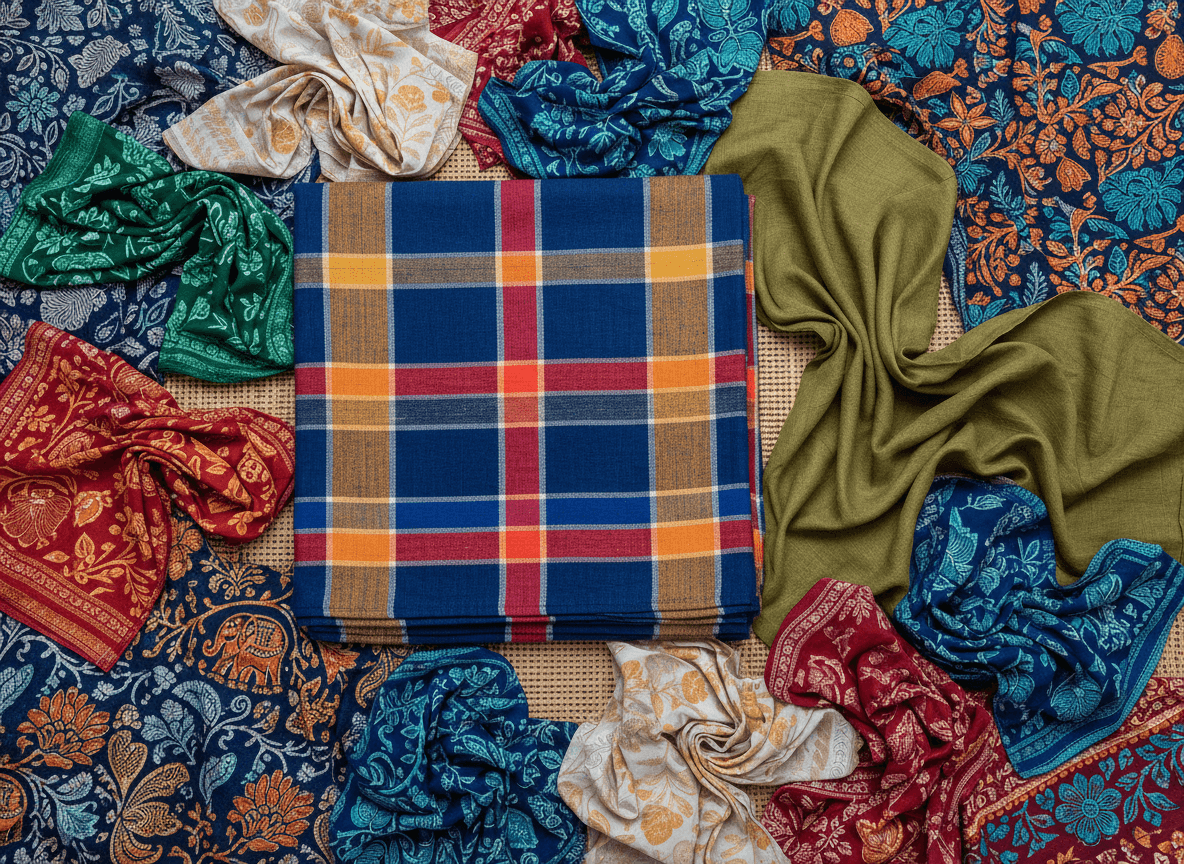
- Sri Lankan Handloom: This is where our culture and climate-smarts truly shine. Sri Lankan handloom cotton is not just a fabric; it’s a heritage. Woven with techniques passed down through generations, these fabrics are designed for our weather. They are often slightly more textured and open-weaved than machine-made cotton, which dramatically increases airflow. A handloom saree, top, or sarong is an investment in both style and comfort.
The Smart Synthetics and Blends
While natural fibres are ideal, don't dismiss all synthetics. Modern textile technology has produced some excellent options that work well in the heat, especially when blended with natural fibres.
- Viscose/Rayon: These are semi-synthetic fibres derived from wood pulp. They are known for their silk-like feel and beautiful drape, but they are far more breathable and less insulating than polyester. A flowy viscose dress or blouse can feel wonderfully cool and is a great choice for evening wear.
- Cotton-Poly Blends: A small percentage of polyester blended with cotton (e.g., 80% cotton, 20% polyester) can be a practical choice. It reduces wrinkling and helps the garment hold its shape without sacrificing too much breathability. This is often a good option for workwear that needs to look crisp all day.
Fabrics to Avoid (or Reserve for Air-Conditioned Events)
Some fabrics are simply a recipe for discomfort and, eventually, kulupuh. They trap heat and moisture, creating a perfect breeding ground for mould and bacteria.
- Heavy Polyester, Nylon, and Acrylic: These are essentially plastic fibres. They don't breathe. At all. Wearing a 100% polyester shirt on a hot day in Colombo is like wrapping yourself in cling film. The sweat has nowhere to go, leaving you feeling sticky and uncomfortable.
- Velvet and Heavy Brocades: While stunning, these are best reserved for trips abroad or events held in powerfully air-conditioned ballrooms. Their dense pile traps an immense amount of heat and moisture, making them magnets for musty smells.
- Thick, Heavy Silks: Not all silks are created equal. While a light silk chiffon can be lovely, heavy, densely woven silks (like some upholstery-grade brocades used in formal wear) can be very insulating. When choosing a silk saree, feel the weight and weave. A lighter, more supple silk will always be more comfortable.
The Art of the Fit: Designing for Airflow and Sri Lankan Elegance
Once you’ve chosen the right fabric, the next step is fit. In a tropical climate, tight-fitting clothes are your enemy. The secret to staying cool and stylish lies in silhouettes that allow air to move freely around your body. Luckily, traditional Sri Lankan attire has mastered this for centuries.
Embracing the Loose and Flowy
This is the cornerstone of tropical dressing. A-line cuts, wide-leg pants (palazzos), kaftans, and shift dresses are your best friends. When air can circulate between the fabric and your skin, it helps evaporate sweat and keeps you feeling fresh. Think about the inherent wisdom in the design of a man's sarong or a woman's classic cloth and jacket (redda-hatte); they are built for ventilation. When shopping for modern clothes, apply this same principle. Choose a blouse that skims your body rather than clings to it.
Adapting Traditional Wear for Modern Comfort
Our traditional garments are beautiful, but we can make small tweaks to optimize them for the most humid days.
- The Saree Blouse: This is a game-changer. Instead of a tight, synthetic brocade blouse, opt for one made from breathable handloom cotton, raw silk, or even linen. Consider designs with deeper backs, shorter sleeves, or keyhole necklines to increase ventilation without sacrificing elegance.
- The Kandyan Saree (Osariya): The osariya is grace personified. To make it more comfortable, choose sarees made from lighter materials like cotton, chiffon, or georgette. The traditional cotton osariya is making a huge comeback for daily and work wear precisely because it's so comfortable. Save the heavier, more elaborate Kandyan sarees for cooler evenings or formal functions.
- The Modern Sarong: The humble sarong has been elevated to high fashion. Look for designs in batik on cotton or viscose that can be styled in countless ways, from a simple beach wrap to a chic evening skirt. It’s the ultimate piece of versatile, breathable clothing.
The Ultimate Wardrobe Care Routine: How to Prevent Mould on Clothes
This is the battlefield where the war against kulupuh is fought daily. A disciplined care routine is non-negotiable. It’s not just about washing; it’s a complete system of drying, storing, and maintaining your wardrobe. These wardrobe care tips are essential for every Sri Lankan home.
The Washing and Drying Doctrine
The laundry room is ground zero. Get this part right, and you're halfway to a mould-free life.
- Don't Overload the Machine: Clothes need room to move to get properly clean and, more importantly, to rinse thoroughly. Soap residue can attract moisture and contribute to musty smells.
- Wash in Hot Water (When Possible): For whites, towels, and bedsheets, a hot water wash (if your machine and fabric allow) is excellent for killing mould spores and bacteria. For delicates and colours, stick to cold water but ensure a thorough rinse cycle.
- The Golden Rule: DRY, DRY, DRY: This is the most critical step. "Almost dry" is not dry. Clothes must be bone-dry before they enter your wardrobe. If you’re line-drying, do it in a sunny, breezy spot. If drying indoors during the monsoon, use a fan directed at the clothes rack to simulate a breeze and speed up evaporation. Never leave wet laundry in the machine overnight.
- The Final Tumble: If you have a dryer, even a 10-minute tumble on low heat for already air-dried clothes can remove that last bit of imperceptible dampness.
Your Wardrobe's Secret Weapons
Your wardrobe (or almari) can be a dark, humid box—a perfect home for kulupuh. Fight back with these simple, effective tools.
- Charcoal: Activated charcoal is a fantastic natural dehumidifier. Place a few bags of charcoal in the corners of your wardrobe. You can "recharge" them by placing them in the sun for a few hours every month.
- The 'Kohila' Trick: A brilliant piece of local wisdom! A dried piece of kohila root (Lasia spinosa) placed in the wardrobe is a traditional and surprisingly effective method for absorbing excess moisture.
- Silica Gel Packets: Don't throw away those little packets that come in new shoes and bags! Collect them and place them in your drawers, saree boxes, and wardrobe corners. They are designed to absorb moisture.
- Leave Space: Don't cram your clothes together. Air needs to circulate *inside* your wardrobe too. A packed wardrobe is a damp wardrobe. Give your garments breathing room.
Storing Your Precious Garments
How you store your clothes, especially occasion wear that isn't used often, is crucial to prevent mould on clothes.
- Daily Wear: Make sure it's completely dry. Hang or fold and put away. Easy.
- Heavy Sarees (Wedding, Kandyan, Pattu): These are investments. After wearing, air them out for at least a day before storing. Never store them in the plastic bags they come in from the shop. Fold them with acid-free paper in between the folds to prevent creasing and colour transfer. Then, store them in a breathable muslin or cotton bag.
- Airing Out is Caring: Once every month or two, especially during the rainy season, take your expensive, stored-away garments out of their bags. Unfold them and let them "breathe" in a well-ventilated room for a few hours before packing them away again. This simple act can save a priceless heirloom saree from ruin.

Styling Your Kulupuh-Proof Wardrobe for Any Sri Lankan Occasion
Having a climate-appropriate wardrobe doesn't mean sacrificing style. In fact, it's the opposite. When you're comfortable, you look more confident and elegant. Here’s how to apply these principles to real-life Sri Lankan scenarios.
The Office Look: Polished and Perspiration-Proof
Navigating office dress codes in the heat can be tricky. The key is structured pieces in breathable fabrics. Think tailored linen trousers, crisp cotton shirts, and handloom cotton sarees. A well-draped handloom saree with a simple cotton blouse looks incredibly professional and keeps you far cooler than a synthetic Western suit. For men, cotton chinos and linen-blend shirts are a perfect combination of smart and comfortable.
Weekend and Casual Chic
Weekends are for comfort. This is where batik truly shines. A vibrant batik sarong paired with a simple tank top, a breezy cotton kaftan thrown over your swimwear, or a simple dress made of light viscose are perfect for trips to the market, beach outings, or just relaxing at home. Don't underestimate the power of a good quality, well-fitting t-shirt in 100% cotton – it's a wardrobe staple for a reason.
The Wedding Guest Dilemma: Grandeur Without the Heat
This is the ultimate test. Sri Lankan weddings are grand affairs, often held during the day. How do you look the part without melting?
- Rethink the Saree: Instead of a heavy, stiff Kanchipuram or Benares silk, consider a lighter option. A gorgeous handloom silk saree, a fine cotton jamdani, or an elegant chiffon or georgette saree can be just as formal and infinitely more comfortable.
- Focus on the Blouse: As mentioned before, a breathable blouse is your secret weapon. Even with a heavier saree, a cotton silk or raw silk blouse will make a huge difference.
- For the Gents: The formal National Dress or a sarong paired with a formal shirt is a fantastic, culturally appropriate, and climate-friendly choice. If a suit is required, opt for one made of a tropical-weight wool or a linen blend.
By making conscious choices about fabric, fit, and care, you can build a wardrobe that is not only beautiful and reflective of our unique Sri Lankan style but also perfectly adapted to our climate. Say goodbye to that musty smell and hello to a wardrobe that feels as fresh and vibrant as our island home.
Frequently Asked Questions (FAQ)
How can I get the 'kulupuh' smell out of clothes that already have it?
If the smell is mild, re-washing with a cup of white vinegar or a half-cup of baking soda along with your regular detergent can neutralize the odour. For stubborn smells, soak the garment for an hour in a vinegar-water solution (1 part vinegar to 4 parts water) before washing. Always finish by drying it completely in direct sunlight, as UV rays are a natural disinfectant.
Is silk a good fabric for the Sri Lankan climate?
It depends on the silk! Heavy, densely woven silks like heavy brocades are not ideal as they trap heat. However, lighter silks like silk chiffon, georgette, crepe de chine, and raw silk are excellent. They are natural fibres, breathable, and have a beautiful drape, making them perfect for blouses, dresses, and elegant sarees. The key is to choose light and airy weaves.
What is the absolute best way to store my wedding saree to prevent damage?
First, get it professionally dry-cleaned after the event. Then, refold it carefully, placing acid-free tissue paper between the folds to protect the embroidery and prevent the zari from oxidizing. Do NOT store it in a plastic cover. Place it inside a breathable cotton or muslin bag. Store this bag flat in a dark, dry place. Every six months, take it out, air it for a few hours away from direct sunlight, and refold it along different lines to prevent permanent creasing.
What about denim? Is it too heavy for Sri Lanka?
Heavy, thick denim can be uncomfortable on very hot days. However, you don't have to give up your jeans! Look for lightweight denim or chambray, which is a plain-weave cotton fabric that looks like denim but is much lighter and more breathable. Denim blends with Tencel or linen are also fantastic, comfortable options for our climate.
How often should I air out my entire wardrobe?
During the dry season (like January to March), doing this once every 2-3 months is sufficient. However, during the heavy monsoon seasons (Yala and Maha), it's a good practice to do it monthly. Simply open your wardrobe doors for a few hours on a dry, breezy day. If possible, turn on a fan in the room to encourage air circulation. This small habit makes a massive difference in preventing that stale, damp environment where kulupuh thrives.