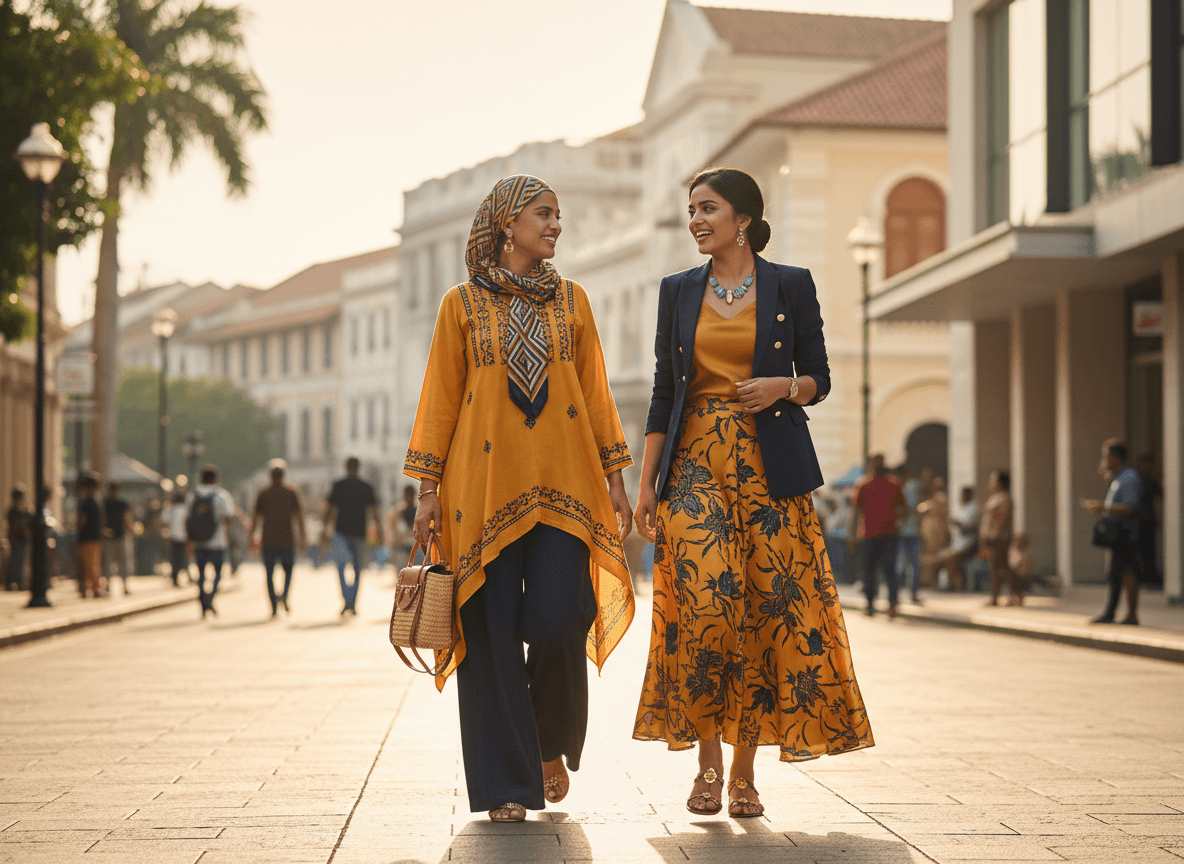
If you take a quick glance inside your closet, what do you see? For many of us, it is a sea of safe, reliable neutrals: stark blacks, crisp whites, muted beiges, and the occasional navy blue. While these shades are undeniably versatile and easy to wear, they barely scratch the surface of what modern fashion has to offer. As we move through 2026, the global fashion landscape is shifting towards vibrant, expressive hues, and it is time for our local closets to catch up. Welcome to the ultimate guide on outfit colour combinations Sri Lanka.
Stepping away from neutrals can feel intimidating. We often worry about clashing, standing out for the wrong reasons, or simply not knowing how to match clothes that are bright and bold. However, mastering colour is not an innate talent; it is a learned skill based on a few simple, foolproof formulas. Once you understand the rules of colour theory, you can break them to create looks that are uniquely yours.
In this comprehensive guide, we will explore everything you need to know about injecting life into your wardrobe colours. From understanding the colour wheel and mastering colour blocking fashion to choosing the best fabrics for the Sri Lankan climate, we will provide you with actionable, modern advice. Whether you are dressing for a smart-casual office in Colombo, a breezy weekend in Galle, or a chic dinner date, it is time to embrace a more colourful, confident modern women style.
Understanding the Colour Wheel for Modern Women Style
Before you can successfully mix and match vibrant pieces, you need to understand the basic tool that designers and stylists use every day: the colour wheel. The colour wheel is a visual representation of how colours relate to one another. By understanding these relationships, you can take the guesswork out of building an outfit.
The Basics: Primary, Secondary, and Tertiary Colours
To build a vibrant wardrobe, you must first understand the hierarchy of colours. Here is a quick breakdown of how colours are categorized:
- Primary Colours: Red, blue, and yellow. These are the foundation of all other colours. You cannot mix other colours to create these. In fashion, primary colours make bold, standalone statements.
- Secondary Colours: Green, orange, and purple. These are created by mixing equal parts of two primary colours (e.g., blue and yellow make green). These colours are highly versatile and often feature heavily in tropical wardrobes.
- Tertiary Colours: These are formed by mixing a primary colour with a secondary colour (e.g., red-orange, blue-green). These nuanced shades, like teal, magenta, and mustard, are incredibly sophisticated and perfect for modern women's clothing.
Warm vs. Cool Tones in the Sri Lankan Climate
Beyond the colour wheel categories, colours are also divided by their "temperature." Understanding whether a colour is warm or cool is crucial, especially when styling outfits for the varied Sri Lankan climate.
Warm colours include reds, oranges, yellows, and warm greens. They evoke feelings of sunshine, heat, and energy. Warm tones look exceptionally beautiful against the golden and olive skin tones common in Sri Lanka. However, during the peak of April's heat and humidity, wearing head-to-toe warm, dark colours (like deep crimson) can sometimes feel visually heavy. Opt for lighter, breathable warm tones like peach, mustard, or soft coral during the day.
Cool colours include blues, purples, and cool greens. They evoke water, sky, and shade. Cool tones are incredibly refreshing to the eye in a tropical climate. A crisp sky blue or a soft mint green can make you look (and feel) cooler on a sweltering Colombo afternoon. Cool tones are also excellent for professional settings, offering a calm, collected vibe.
Foolproof Formulas for Outfit Colour Combinations Sri Lanka
Now that we have covered the basics, let us dive into the practical application. How do you actually put these colours together without looking like a walking rainbow? Here are three foolproof formulas to elevate your wardrobe colours.
Monochromatic Magic: Effortless and Elongating
A monochromatic outfit consists of pieces that are all within the same colour family. This does not mean wearing the exact same shade from head to toe (though you certainly can). Instead, it involves mixing different tints (lighter shades) and shades (darker shades) of a single colour.
- Choose your base colour: Start with a colour you feel confident in. Blue is a great starting point for beginners.
- Mix textures: Because you are wearing one colour, the outfit can look flat if all the fabrics are the same. Mix a lightweight cotton top with a structured linen skirt or a ribbed knit cardigan.
- Play with saturation: Pair a baby blue blouse with deep navy trousers. The contrast in saturation keeps the look dynamic.
Why it works in Sri Lanka: Monochromatic dressing creates a continuous vertical line, which is incredibly elongating and slimming. It also requires minimal mental energy on a hot, humid morning when you just want to get dressed and go. For an effortless monochromatic base, consider starting with a versatile olive green midi dress, which you can easily layer with lighter sage green accessories or a deep forest green lightweight cardigan for cooler monsoon evenings.
Analogous Harmony: Neighbours on the Wheel
Analogous colour combinations involve pairing colours that sit directly next to each other on the colour wheel. Because they are neighbours, they naturally harmonize and create a pleasing, low-contrast look.
Examples of analogous combinations include:
- Blue and green
- Red and pink
- Yellow and orange
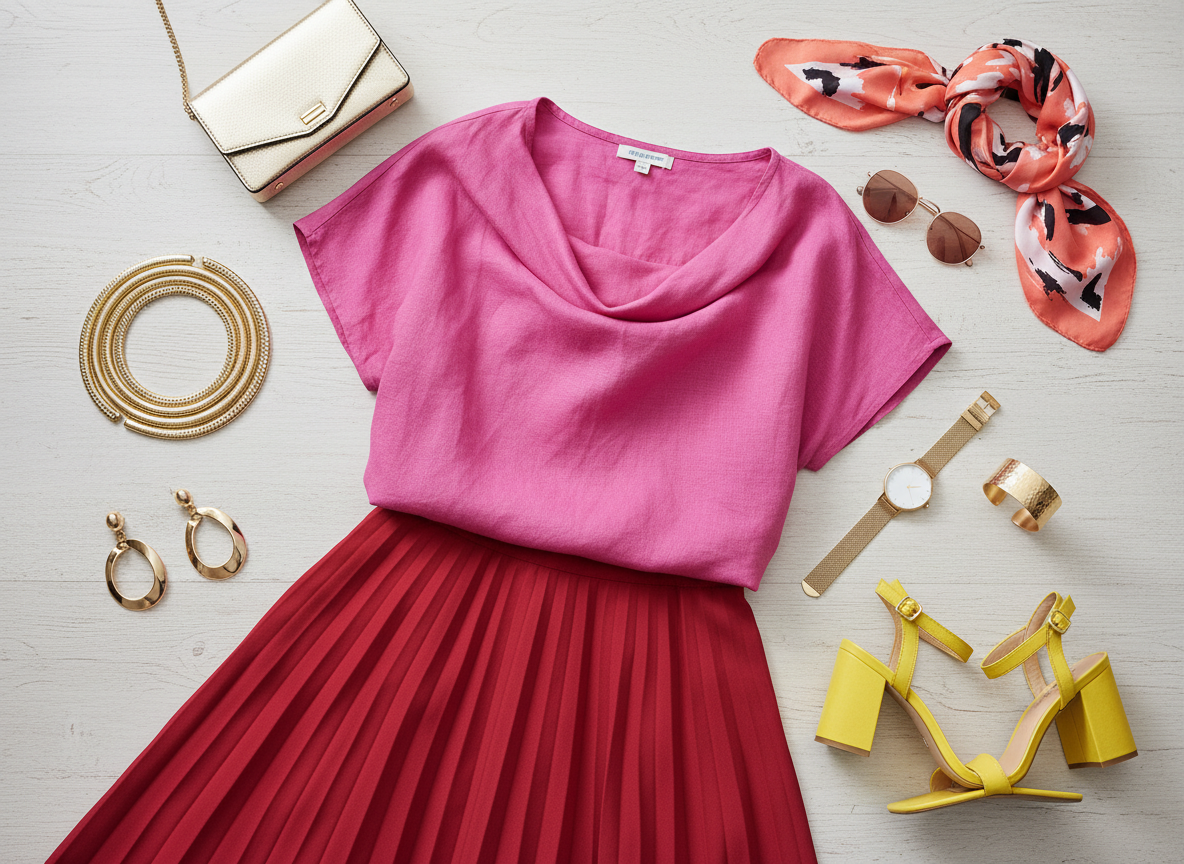
Styling Tip: When using the analogous formula, let one colour be the dominant shade and use the other as a supporting accent. For instance, if you are wearing a bold pink dress, pair it with subtle red sandals and a red handbag rather than trying to split the outfit 50/50. This creates a chic, intentional look that is perfect for weekend brunches or smart-casual office environments.
Complementary Contrast: Bold and Beautiful
If you want to make a statement, complementary colours are your best friend. These are colours that sit directly opposite each other on the colour wheel. Because they are complete opposites, they create a high-contrast, vibrant look that is impossible to ignore.
Classic complementary pairings include:
- Blue and orange
- Red and green
- Yellow and purple
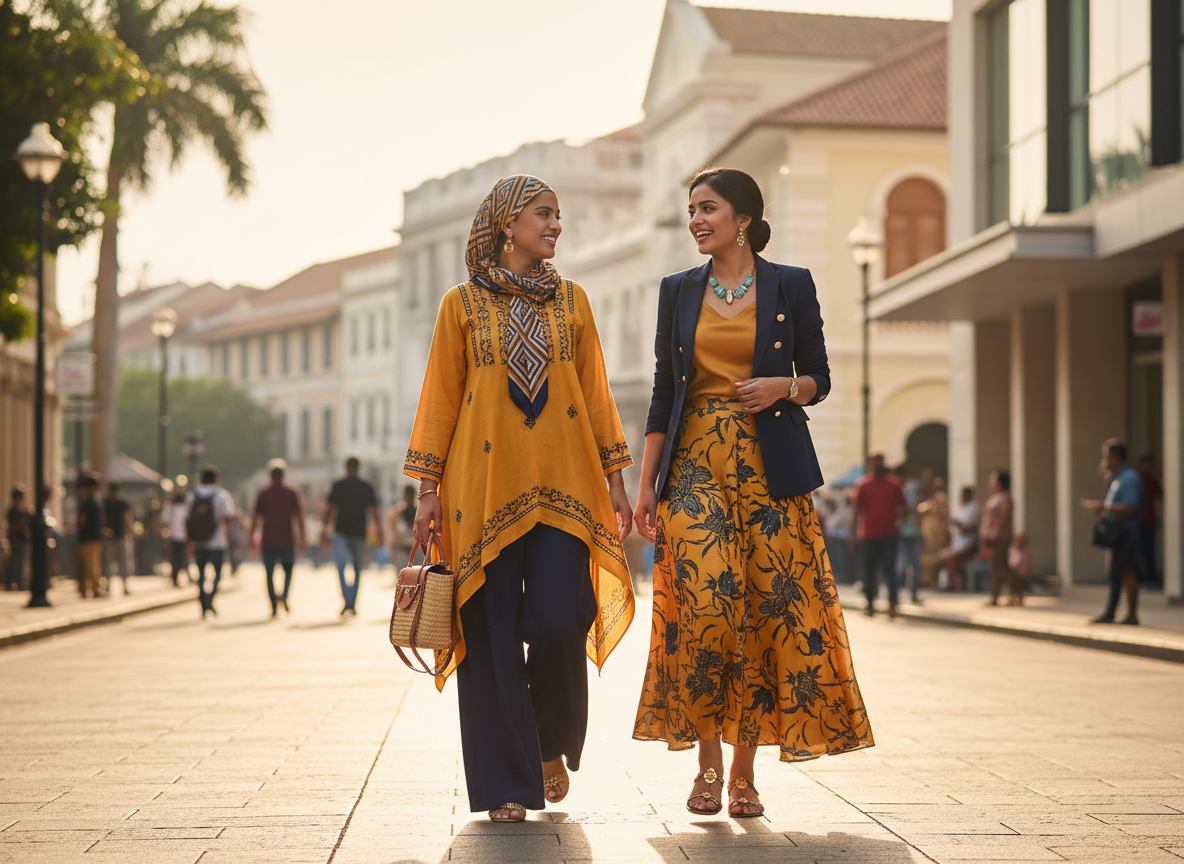
How to pull it off: Wearing two highly saturated complementary colours can be overwhelming. The secret is to alter the intensity of one of the colours. Instead of bright yellow and bright purple, try a soft lavender blouse tucked into mustard yellow high-waisted trousers. Or, pair a deep navy blue skirt with a soft peach top. This softens the contrast while maintaining the dynamic energy of the complementary pairing.
Mastering Colour Blocking Fashion in the Tropics
Colour blocking fashion is the art of pairing solid blocks of contrasting colours in a single outfit. It is a major trend for 2026, moving away from subtle prints and focusing instead on bold, geometric-inspired solid hues. While it looks incredibly high-fashion, it is actually quite simple to achieve if you follow a few guidelines.
Start Small with Accessories
If you are new to colour blocking, do not feel pressured to wear a bright green top with bright pink trousers right away. Start with your accessories. Wear a solid, brightly coloured dress—perhaps in royal blue—and block it with a contrasting accessory, like a chunky orange belt, a bright yellow tote bag, or bold red statement earrings. This allows you to dip your toes into the trend without feeling overwhelmed.
The 60-30-10 Rule for Balanced Outfits
Interior designers use the 60-30-10 rule to balance colours in a room, and it works flawlessly for styling outfits, too. When putting together a colour-blocked look, aim for this ratio:
- 60% Dominant Colour: This is usually your main garment, like a dress, or a matching top-and-bottom set. It anchors the outfit.
- 30% Secondary Colour: This is a contrasting piece of clothing, like a blazer, a cardigan, or a pair of trousers if you are wearing a contrasting top.
- 10% Accent Colour: This is the pop of colour provided by your shoes, handbag, scarf, or jewelry.
For example: A fuchsia pink midi dress (60%), layered with a lightweight cobalt blue button-down shirt worn open (30%), finished with bright yellow sandals (10%).
Best Fabrics for Colour Blocking in Heat and Humidity
When you are wearing bold, solid colours, sweat marks can become much more visible than they are on patterned or dark clothing. Given Sri Lanka's tropical climate, fabric choice is critical when colour blocking.
Always opt for natural, breathable fabrics like pure cotton, linen, and lightweight viscose. These fabrics allow air to circulate, keeping you cool. Avoid synthetic materials like polyester or heavy nylon, which trap heat and moisture. Furthermore, solid bright colours can sometimes bleed in the wash. Always wash your brightly coloured pieces in cold water, and dry them in the shade to prevent the harsh Sri Lankan sun from fading those beautiful hues.
How to Match Clothes with Vibrant Prints and Florals
While solid colours are great for colour blocking, modern Sri Lankan wardrobes are often filled with beautiful, tropical-inspired prints and florals. Figuring out how to match clothes when one piece has multiple colours can be tricky, but there is a straightforward method to ensure you always look put-together.
Pulling the Base Colour
The easiest way to match a printed piece is to "pull" one of the colours out of the print and use it for your solid items. Look closely at your floral dress or patterned skirt. Identify the least dominant colour in the pattern—the subtle accent colour. By wearing a solid jacket, shoe, or bag in that exact accent colour, you tie the whole outfit together brilliantly.
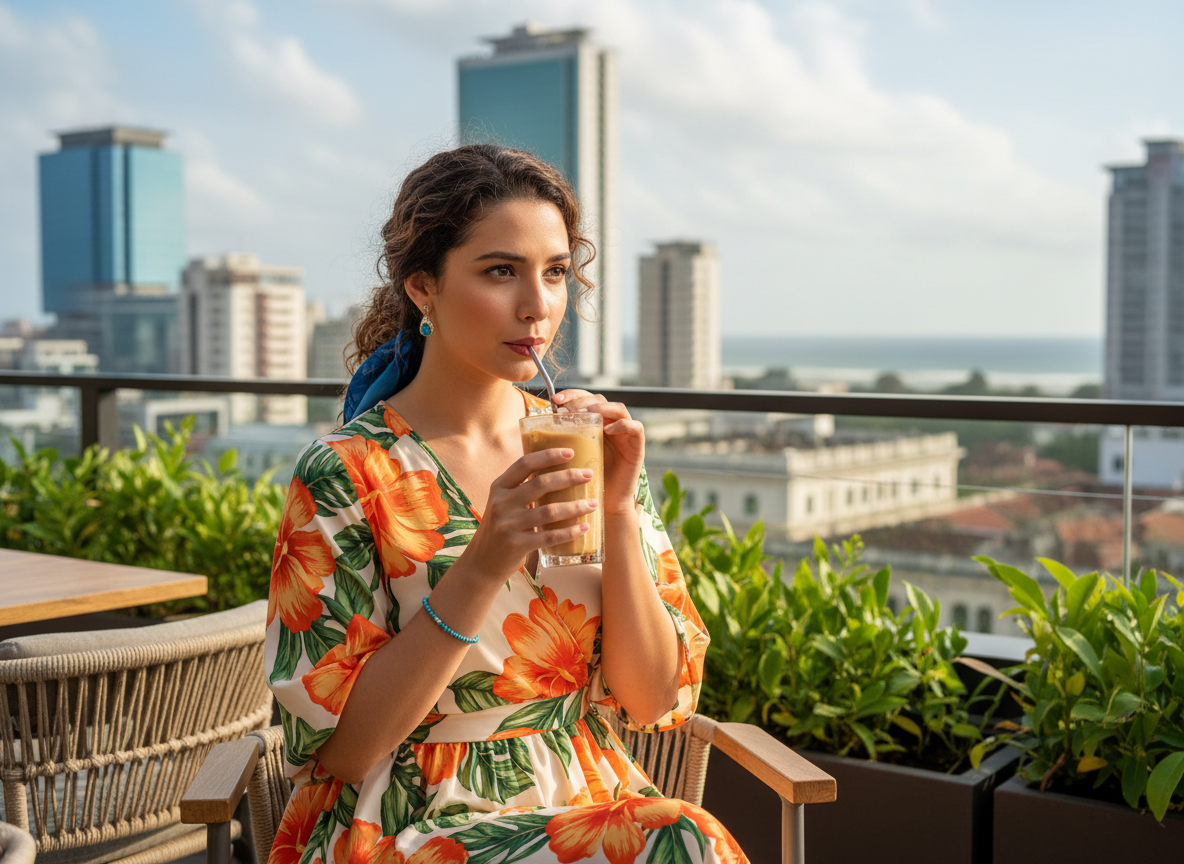
For example, if you are wearing a vibrant orange floral maxi dress that features tiny specks of royal blue in the leaves, pairing that dress with a royal blue handbag or sandals will instantly elevate the look. The blue accessories will make the subtle blue details in the dress pop, making the outfit look incredibly cohesive and intentionally styled.
Treating Florals as the Main Event
When wearing a bold, colourful print, let the print do the talking. Keep the silhouette of your other garments modern and streamlined. If you have a highly patterned top, pair it with wide-leg trousers or a sleek pencil skirt in a solid colour pulled from the print. Avoid adding other competing patterns (unless you are an advanced pattern-mixer!), as this can look chaotic and unrefined.
If you prefer shorter hemlines for the warm weather, a playful pink floral mini dress is a fantastic option. You can ground the bright pinks with neutral accessories for daytime, or pull out the darker green leaf tones with a lightweight green overshirt for an evening out.
Transitioning Your Wardrobe Colours from Day to Night
The colours you wear can drastically affect the appropriateness of an outfit depending on the time of day. In 2026, modern fashion rules are flexible, but there are still guidelines for transitioning your wardrobe colours seamlessly from daytime activities to evening events.
Daytime Brights for Cafe Runs and Office Hours
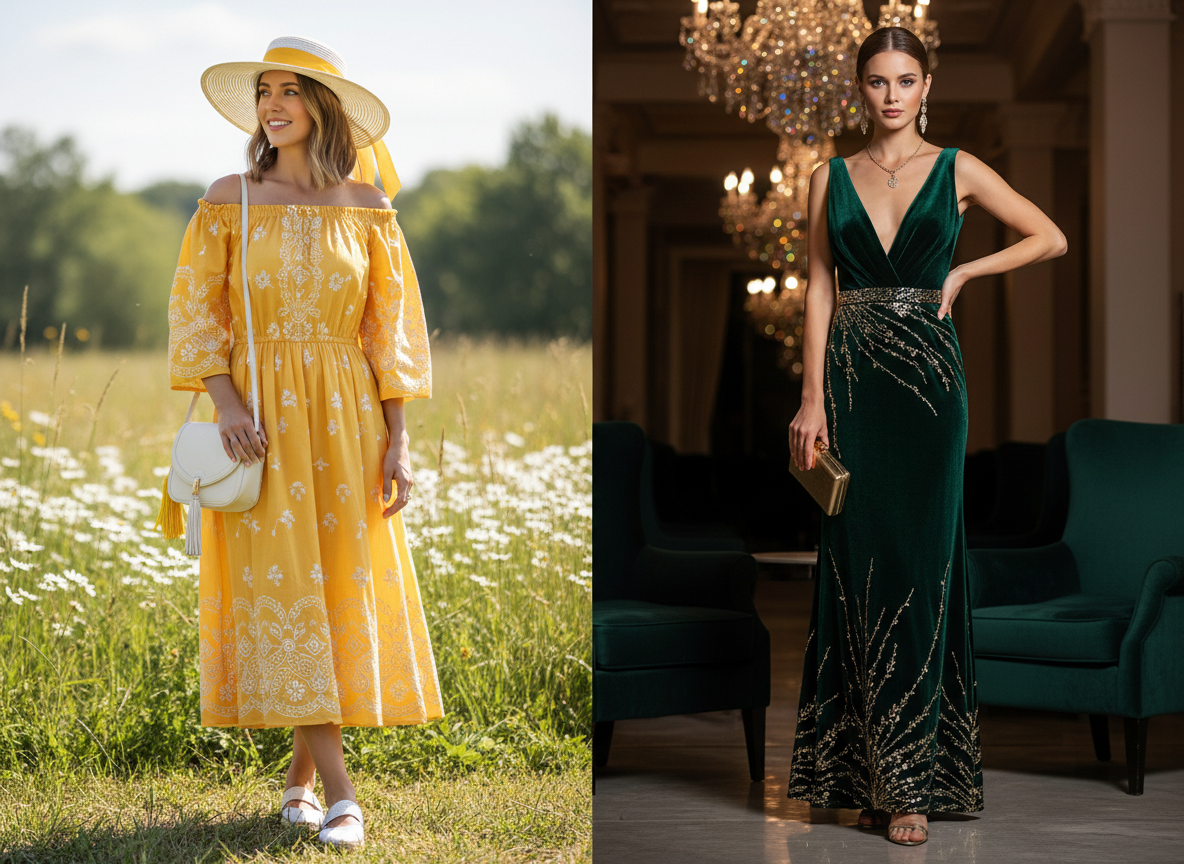
During the day, especially in a tropical, sun-drenched environment like Sri Lanka, lighter and brighter colours shine. Pastels (like mint, lavender, and baby pink) and vibrant citrus tones (lemon yellow, tangerine, lime green) look stunning under natural sunlight. These colours reflect heat, keeping you physically cooler, and convey a fresh, energetic vibe.
For a smart-casual office look, you can incorporate these colours elegantly. Swap your standard black trousers for a pair of navy or deep green wide-leg pants, and pair them with a soft blush or butter-yellow blouse. You maintain professionalism while injecting modern personality into your look.
Sunset Hues and Jewel Tones for Evening Events
As the sun sets, the light changes, and so should your colour palette. Evening events, dinners, or cocktails in Colombo call for richer, deeper hues. Jewel tones are universally flattering and exude luxury and sophistication.
Incorporate colours like:
- Emerald Green
- Sapphire Blue
- Ruby Red
- Amethyst Purple
These deeper shades absorb artificial light beautifully and provide a striking contrast to evening atmospheres. If you wore a bright, light-coloured outfit during the day, you can easily transition it to night by swapping your accessories. Trade your tan daytime tote and sandals for metallic gold heels and a clutch. Gold and silver act as "evening neutrals" that pair perfectly with almost any jewel tone.
Colour Psychology: How Your Clothes Make You Feel
When deciding how to match clothes, it is not just about what looks good to the eye; it is also about how the colours make you feel. Colour psychology plays a massive role in fashion, and consciously choosing your colours can set the tone for your entire day.
- Red: The colour of passion, power, and confidence. Wear red when you have a big presentation, a negotiation, or a date where you want to feel empowered and unforgettable.
- Blue: Calming, trustworthy, and stable. Blue is a fantastic colour for stressful days or when you want to project a serene, competent energy. It is a staple for a reason.
- Yellow: Joyful, optimistic, and energetic. On gloomy monsoon days when the sky is gray, wearing a pop of yellow can instantly boost your mood and the mood of those around you.
- Green: Associated with nature, growth, and balance. Green is incredibly soothing and is a great choice for weekends, casual outings, or anytime you want to feel grounded.
By understanding not just the aesthetic rules of colour combinations, but also the psychological impact of your choices, you can curate a wardrobe that truly serves your lifestyle and emotional needs.
Frequently Asked Questions
Even with a solid understanding of colour theory, you might still have some specific queries about styling your modern wardrobe. Here are some of the most frequently asked questions regarding outfit colour combinations in Sri Lanka.
Can I wear black and navy together?Absolutely! The old fashion rule that black and navy clash is completely outdated in 2026. In fact, pairing them creates a very chic, sophisticated look. The key is to ensure the navy is noticeably blue, rather than so dark that it looks like a mismatched black. Mixing textures—like a navy silk blouse with black linen trousers—also helps make the combination look intentional and stylish.
How many colours should I wear at once?As a general rule of thumb, try to stick to a maximum of three colours per outfit (excluding neutrals like white, black, or nude). This keeps the outfit looking cohesive and prevents it from becoming visually overwhelming. The 60-30-10 rule mentioned earlier is the perfect framework for balancing three colours.
What colours look best on warm, olive skin tones?Sri Lankan women with warm or olive undertones look absolutely stunning in earthy and warm hues. Think mustard yellow, rust orange, olive green, rich terracotta, and warm gold. Jewel tones like emerald green and rich magenta also provide a beautiful, striking contrast against golden skin.
Are bright colours suitable for the office?Yes, but it depends on your workplace dress code and how you style them. For corporate environments, you can incorporate colour subtly through a bright blouse under a neutral blazer, or a colourful silk scarf. For smart-casual or creative offices, you have more freedom. Just ensure the silhouette of the garment remains professional—think tailored trousers, structured midi dresses, and crisp button-downs, even if they are in bright hues.
How do I stop bright clothes from fading in the Sri Lankan sun?Bright dyes can be sensitive to heat and sunlight. To preserve your vibrant wardrobe colours, always wash your bright clothes in cold water with a mild, colour-safe detergent. Never dry them in direct sunlight; the intense UV rays will bleach the fabric quickly. Instead, hang them in a shaded, well-ventilated area. If you must iron them, do so inside out on a low-heat setting.
Stepping beyond neutrals and embracing a colourful wardrobe is one of the most exciting ways to express your personal style. By utilizing the colour wheel, experimenting with colour blocking, and choosing the right fabrics for the Sri Lankan climate, you can easily build a modern, vibrant closet. Remember, fashion in 2026 is all about confidence and individuality. Don't be afraid to mix, match, and find the combinations that make you feel like the best version of yourself.