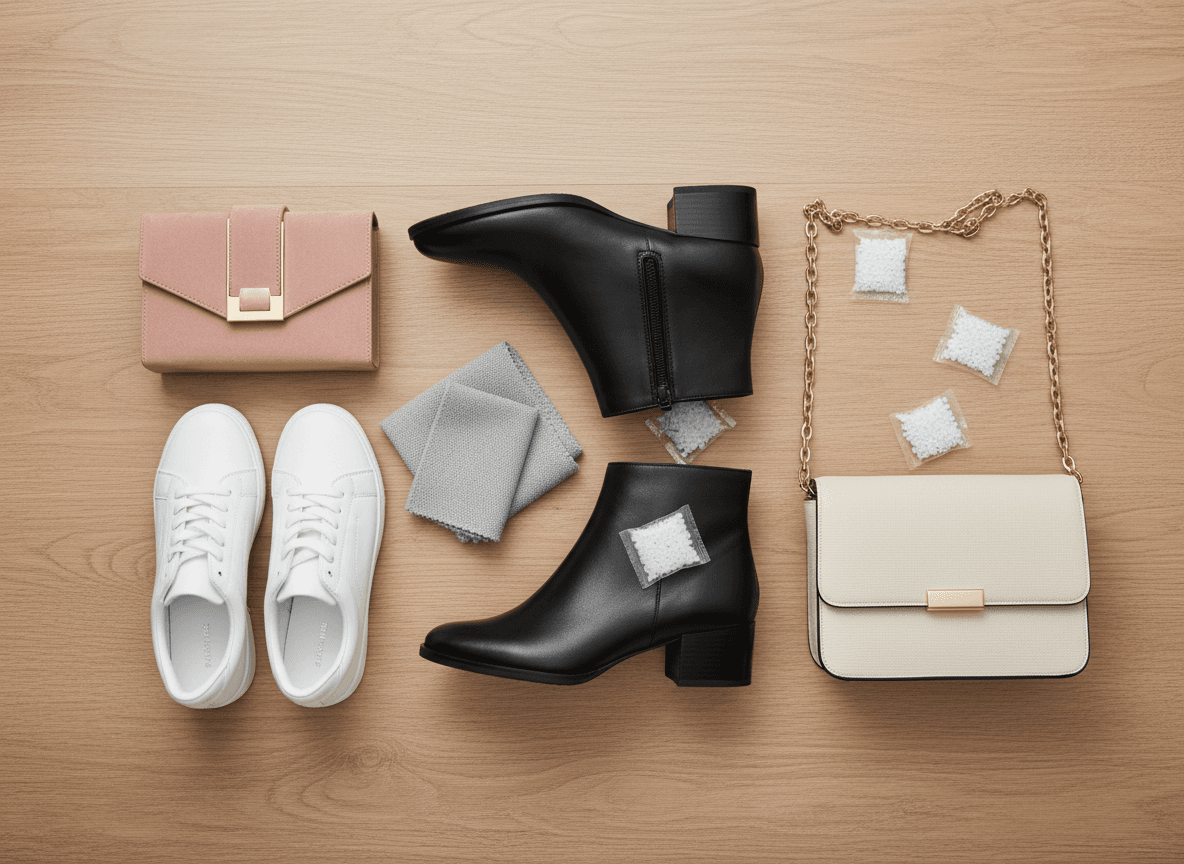
You’ve found it: the perfect pair of heels, the tote bag that carries your life, the statement clutch that elevates every outfit. In Sri Lanka, our vibrant, sun-drenched lifestyle demands accessories that can keep up. But our greatest asset—the tropical climate—can also be the biggest enemy of our cherished shoes and handbags. That creeping dread when you open your wardrobe to find a fine layer of green fuzz on your favourite leather boots? We’ve all been there. This is why mastering shoe care in Sri Lanka isn't a luxury; it's a necessity. The constant handbag care humidity demands is a real challenge, but it’s one you can win.
Forget the heartbreak of warped leather, stained suede, and the unmistakable scent of mildew. As your go-to source for modern women's fashion in 2026, we believe your investment pieces should last. This ultimate guide is your new bible for protecting your accessories from scuffs, storage woes, and the relentless tropical moisture. We'll give you actionable, easy-to-follow wardrobe care tips to keep your collection looking pristine, season after season.
Understanding the Enemy: How Humidity Sabotages Your Accessories
Before we dive into solutions, it’s crucial to understand why Sri Lanka’s climate is so tough on our accessories. The culprit is, of course, humidity. High moisture content in the air creates the perfect breeding ground for mould and mildew, which are fungi that feed on organic materials like leather, suede, and even the natural fibres in canvas.
When moisture settles on a surface and is combined with warmth and poor air circulation (hello, closed wardrobes!), these spores begin to grow. This leads to:
- Mould and Mildew: Appears as fuzzy spots (often green, white, or black) and leaves a musty odour that’s notoriously hard to remove.
- Material Degradation: Leather can become stiff, cracked, or discoloured. Glues used in shoe and bag construction can weaken, causing soles to separate or embellishments to fall off.
- Warping and Shape Loss: Materials can swell with moisture and then dry unevenly, causing shoes to lose their shape and bags to become distorted.
- Metal Tarnish: Zippers, buckles, and clasps can rust or tarnish at an accelerated rate.
A Material-by-Material Breakdown
Not all materials suffer equally. Here’s a quick look at how common accessory materials react to our island's climate:
Genuine Leather: A porous, natural skin, leather is highly susceptible to mould if not cared for. Humidity can strip its natural oils, leading to dryness and cracking over time. Learning how to protect leather bags is a core skill for any fashion lover here.
Suede & Nubuck: These are even more delicate than smooth leather. Their napped, velvety texture easily traps moisture and dirt, making them prone to water stains and mould. They require a gentle but diligent care routine.
Vegan Leather (PU/PVC): While not organic and thus less prone to mould, high humidity can still cause the plastic coating to peel, crack, or become sticky over time. The backing material, often fabric, can still harbour mildew.
Canvas & Fabric: Think of your favourite tote bags or espadrilles. These woven materials absorb moisture readily, making them a prime target for mildew and musty smells. Stains can also set in more easily in a damp environment.
Daily & Weekly Rituals: The Foundation of Accessory Care
The best defence is a good offence. Integrating a few simple habits into your routine will make a world of difference and prevent major damage down the line. This is about prevention, not just cure.
The 5-Minute Post-Wear Routine
Never, ever just toss your bag or shoes into the wardrobe after a long day. Take five minutes to perform this simple ritual:
- Empty It Out: Remove everything from your handbag. Crumbs, old receipts, and forgotten wrappers can attract pests and create moisture pockets. For shoes, remove any insoles to let them air out separately.
- Wipe It Down: Use a soft, dry microfibre cloth to wipe down the exterior and interior of your bag and the entire surface of your shoes. This removes surface dust, pollutants, and importantly, invisible moisture that has settled during the day.
- Air It Out: This is the most critical step. Leave your shoes and handbag out in a well-ventilated, dry area (but not in direct sunlight!) for at least a few hours, or preferably overnight. Let them breathe before putting them away. This simple act is key to helping prevent mould on shoes.
Spot Cleaning vs. Deep Cleaning
Address spills and scuffs immediately. The longer a stain sits, the harder it is to remove.
- For Minor Scuffs & Dirt: On leather, a simple pencil eraser can often remove small scuffs. For dirt on canvas or fabric, let the mud dry completely, then brush it off with a stiff brush before spot-cleaning with a damp cloth and mild soap.
- For Liquid Spills: Immediately blot—don't rub—the spill with a clean, dry cloth or paper towel to absorb as much liquid as possible. Rubbing will only push the stain deeper into the material.
- Scheduled Deep Cleans: Depending on usage, plan a more thorough cleaning every 2-3 months. This involves using material-specific cleaners (e.g., a leather cleaner, a suede shampoo) to remove accumulated grime and prepare the item for conditioning.
Emergency Care: After a Sudden Monsoon Downpour
Getting caught in the rain is a fact of life in Sri Lanka. Here’s what to do the moment you get home:
- Blot, Blot, Blot: Use a towel to gently blot away all excess water.
- Stuff for Shape: Stuff your shoes and handbag loosely with acid-free paper, newspaper (be mindful of ink transfer on light colours), or even a small, dry towel. This helps absorb internal moisture and, crucially, helps the item retain its original shape as it dries.
- Dry Naturally: Place the items in a dry, airy spot away from direct heat or sunlight. NEVER use a hairdryer or place them near a heater. Rapid heat will crack leather and warp other materials. Drying can take 1-2 days, but patience is your best friend here.
Mastering Storage: Your Ultimate Anti-Humidity Wardrobe
Your wardrobe can either be a safe haven or a humidity trap. Proper storage is where the battle against mould is truly won or lost. Simply closing the door and hoping for the best is a recipe for disaster.
The Golden Rules of Wardrobe Airflow
Mould thrives in stagnant, humid air. Your primary goal is to keep the air inside your closet moving and dry.
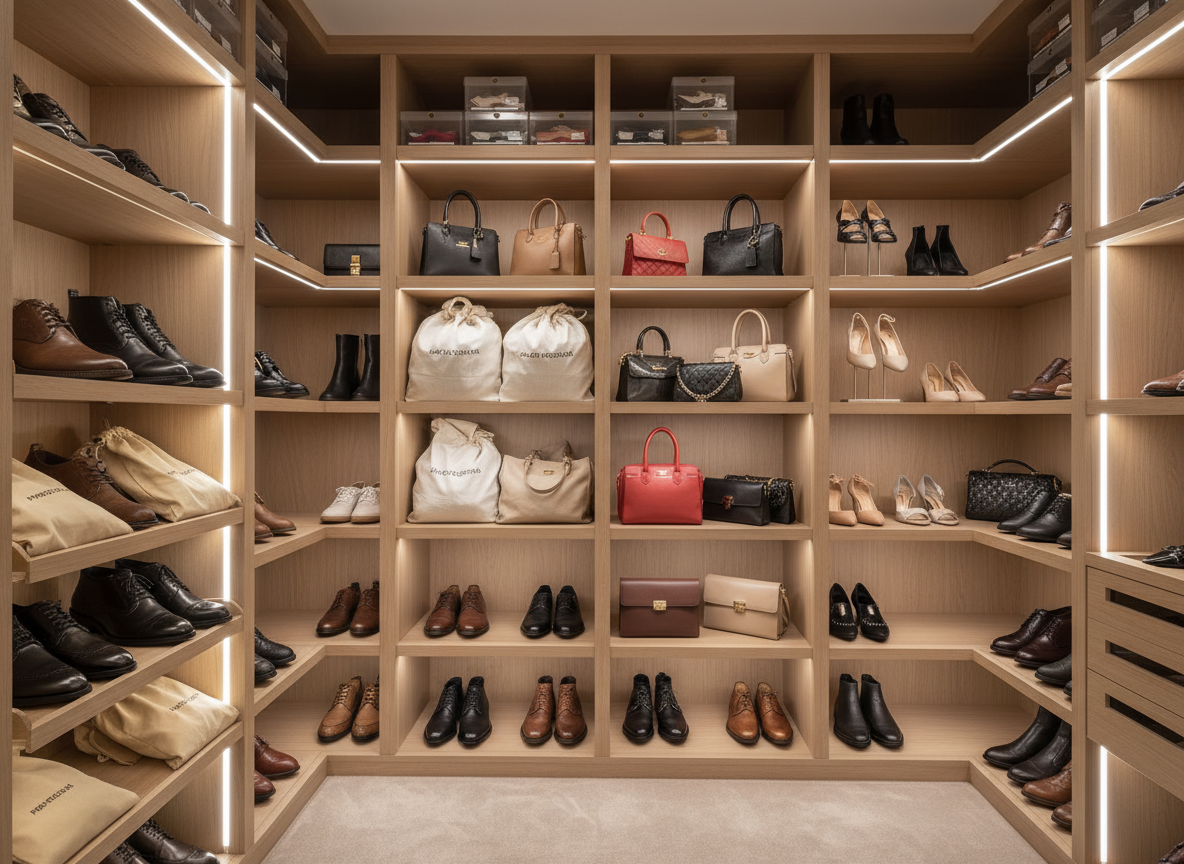
- Don’t Overcrowd: This is rule number one. Jamming items together prevents air from circulating. Give each handbag and pair of shoes its own space. If they are touching, moisture can get trapped between them.
- Use Breathable Storage: Always store your bags in the fabric dust bags they came in. These protect from dust while allowing the material to breathe. Avoid plastic boxes or bags at all costs—they are a humidity death trap. For shoes, a shoe rack is far better than piling them on the floor.
- Aerate Your Wardrobe: At least once a week, leave your wardrobe doors wide open for a few hours to allow air to circulate freely and release any trapped moisture. A quick blast from a fan can help, too.
Your Anti-Humidity Toolkit
Actively removing moisture from your storage space is a non-negotiable part of handbag care for humidity. Invest in a few of these essentials:
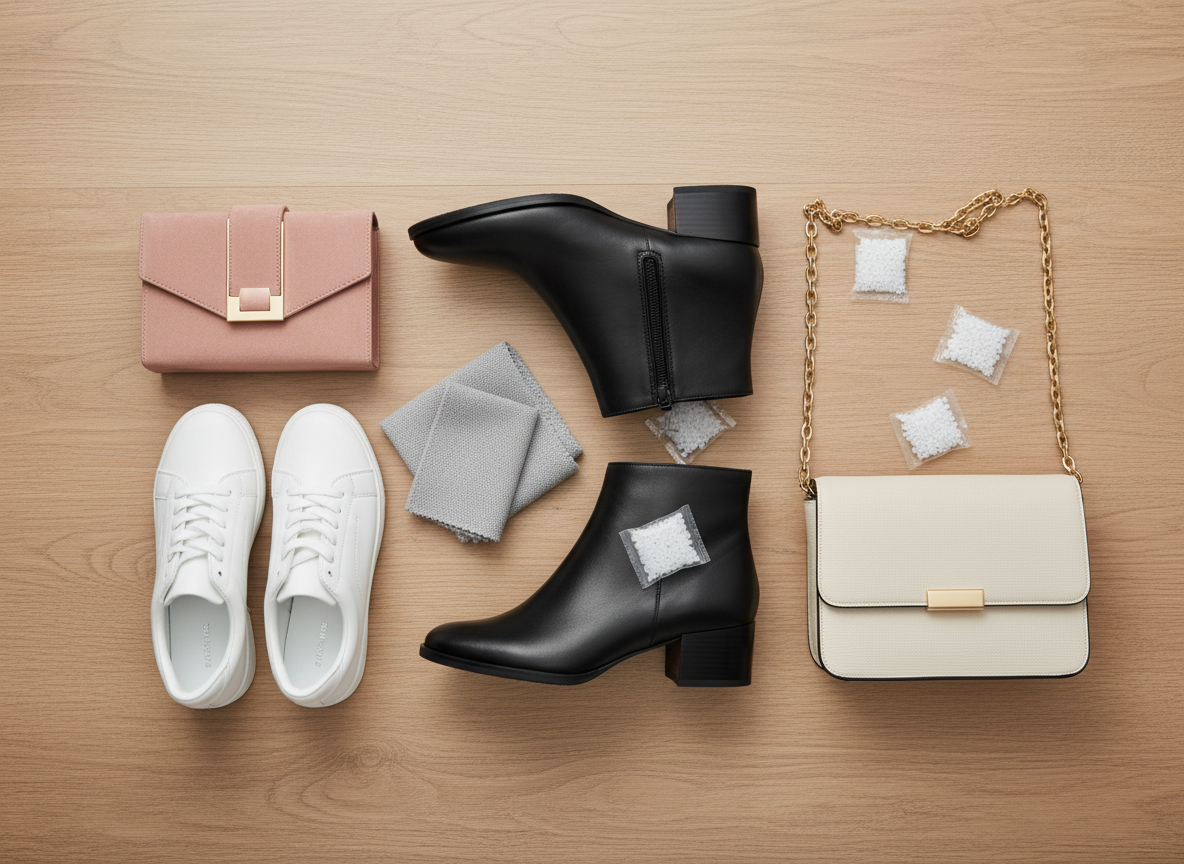
- Silica Gel Packets: Don't throw away those little white packets that come in new purchases! They are your first line of defence. Pop a few inside each handbag and into your shoe boxes. You can buy larger ones online and "recharge" them by gently heating them in an oven (follow manufacturer instructions) to dry them out.
- Charcoal Dehumidifiers: Bamboo charcoal bags are an excellent, eco-friendly option. They absorb moisture and odours and can be rejuvenated by placing them in the sun for a few hours every month.
- Electronic Dehumidifiers: For those with large walk-in closets or a particularly serious humidity problem (especially during monsoon season), a small, portable electronic dehumidifier is a worthy investment. It will keep the ambient moisture level consistently low.
- The 'Podi Paan' Trick: A classic Sri Lankan household trick! Placing a few pieces of blackboard chalk or a small, open container of uncooked rice in your wardrobe can also help absorb excess moisture, though they need to be replaced regularly.
A well-maintained wardrobe ensures that when you choose to wear a stunning piece like a Chic Bow-Detail Midi Dress, your accessories are in equally perfect condition to complete the look. A mouldy bag or scuffed shoes can ruin an otherwise flawless outfit.
Material-Specific Masterclass: Tailored Care for Your Collection
Different materials need different kinds of love. Applying a one-size-fits-all approach can do more harm than good. Here’s how to cater to the specific needs of your most-loved pieces.
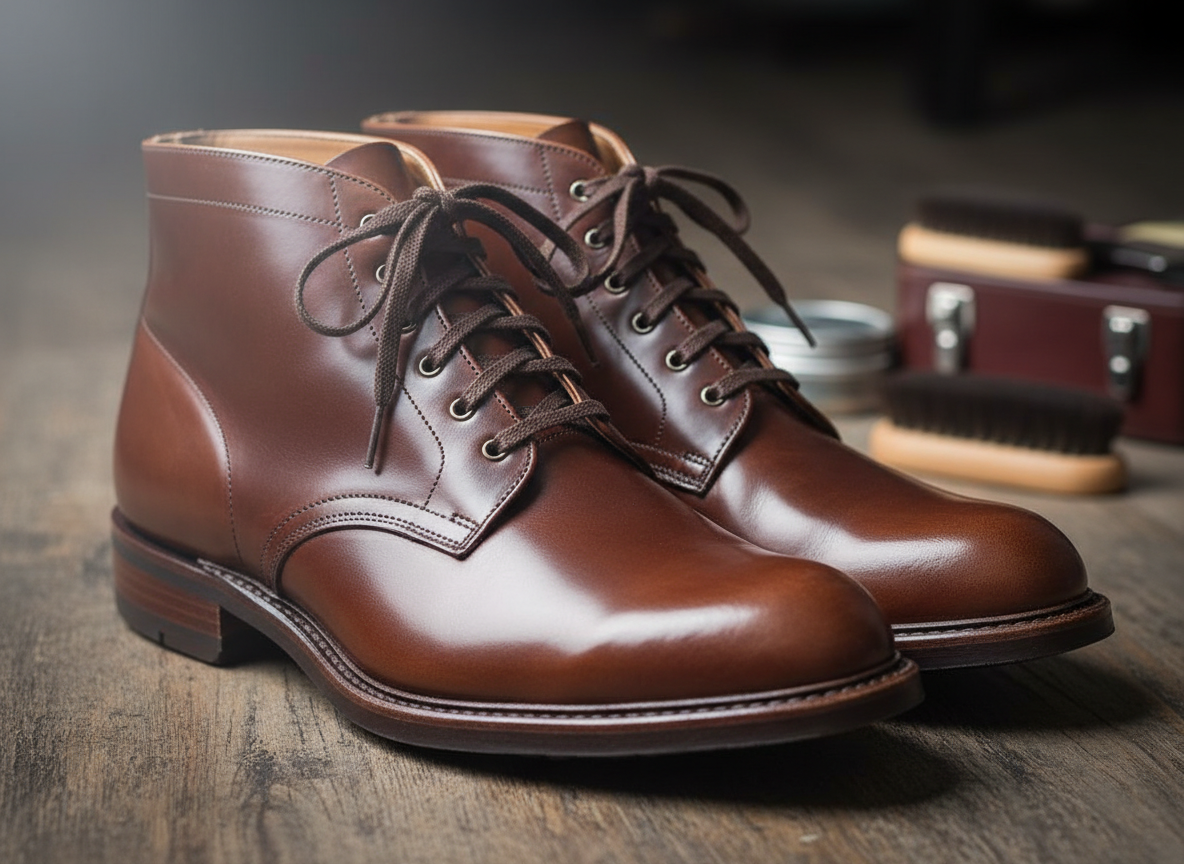
How to Protect Leather Bags and Shoes
Leather is an investment, and with the right care, it only gets better with age. Conditioning is the key to its survival in our climate.
Step 1: Clean First. Before applying any product, ensure the leather is clean. Use a dedicated leather cleaner and a soft cloth to gently wipe away any dirt and grime. Let it dry completely.
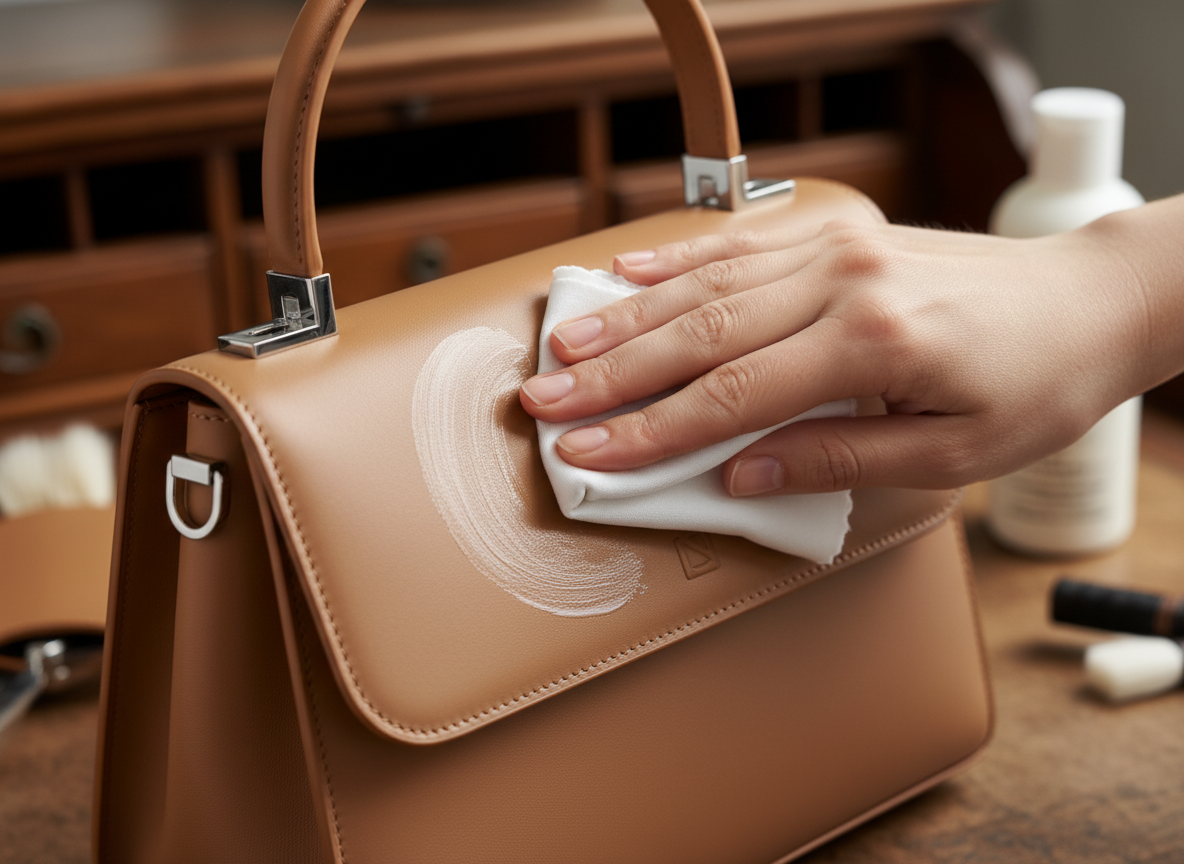
Step 2: Condition Regularly. At least every 2-3 months (or more if the item feels dry), apply a high-quality leather conditioner. This replenishes the natural oils that humidity and heat strip away, keeping the leather supple and preventing cracks. Think of it as moisturiser for your bag.
Step 3: Test a Small Spot. Always test any new cleaner or conditioner on an inconspicuous area first (like the bottom or inside of a strap) to ensure it doesn’t cause discolouration.
Step 4: Buff to a Shine. After the conditioner has been absorbed, use a separate, clean, soft cloth to gently buff the surface. This removes any excess product and restores a beautiful, healthy lustre.
Suede and Nubuck: The Delicate Duo
The number one rule for suede is to keep it dry. But since that's not always possible, here's the next best thing.
- Invest in a Protector Spray: Before you even wear a new pair of suede shoes or carry a suede bag, treat it with a quality suede protector spray. This creates an invisible barrier that helps repel water and stains. Reapply every few months.
- Get the Right Tools: A dedicated suede care kit is essential. It should contain a suede eraser (for removing dry marks and stains) and a suede brush (with both brass and nylon bristles) to restore the nap (the fuzzy texture).
- Brushing is Key: Regularly brush your suede items in one direction to remove surface dirt and keep the nap looking fresh.
Canvas, Fabric, and Embellished Items
These pieces add a fun, casual element to any wardrobe, pairing perfectly with everyday staples like a great pair of blue wide leg cargo jeans. But they need care, too.
- Fabric & Canvas: Most fabric bags and shoes can be spot-cleaned with a solution of mild detergent and cool water. Use a soft brush or cloth, and work on the stain from the outside in to prevent it from spreading. Always air dry completely.
- Embellishments (Beads, Sequins): Be extra gentle. Clean around these areas carefully with a cotton swab dipped in a mild cleaning solution. Avoid getting embellishments too wet, as the adhesive can weaken. Check regularly for loose threads or beads and secure them before they fall off.
A beautifully maintained pair of white sneakers or a clean canvas tote elevates a casual outfit, ensuring your style looks intentional and put-together, not an afterthought.
Revival and Repair: Bringing Favourites Back from the Brink
Sometimes, despite our best efforts, damage happens. But don't despair! Many common issues can be fixed at home, while others simply require knowing when to call in a professional.
Safely Removing Mould and Mildew
If you find the dreaded green or white fuzz, act immediately.
- Isolate the Item: Take the affected item outside to clean it. This prevents mould spores from spreading to other items in your home.
- Brush it Off: Use a dry, stiff brush to gently brush off as much of the surface mould as possible.
- Create a Cleaning Solution: For leather, mix equal parts cool water and rubbing alcohol or white vinegar. For fabrics, a mild soap and water solution is safer.
- Wipe, Don't Soak: Dampen a clean cloth with your solution, wring it out thoroughly so it's not dripping, and gently wipe the affected areas. The goal is to kill the spores without saturating the material.
- Dry and Condition: Allow the item to air dry completely in a well-ventilated spot. Once fully dry, leather items MUST be treated with a good conditioner to restore moisture lost from the alcohol or vinegar.
This process can save many pieces, allowing them to beautifully complement your wardrobe again, perhaps with a stunning, colourful item like a Purple Tiered Tulle Maxi Skirt that deserves an equally pristine accessory pairing.
When to Call a Professional
While DIY is great, some jobs are best left to the experts (known as a 'cobbler' for shoes or a bag repair specialist). Seek professional help for:
- Deep-set or large stains.
- Broken zippers, handles, or shoe soles.
- Major colour restoration or re-dyeing.
- Significant tears or rips in leather.
- Severe mould infestations that have penetrated deep into the material.
A good repair person in Colombo, Kandy, or Galle can work wonders and is often a more sustainable and cost-effective option than replacing a high-quality item.
Frequently Asked Questions (FAQ)
Is it okay to store my handbags in plastic containers to protect them?
Absolutely not. This is one of the most common mistakes. Plastic traps moisture, creating a mini-greenhouse effect that is the perfect environment for mould to grow. Always use breathable fabric dust bags and store items on open shelves or with plenty of space around them in your wardrobe.
How often should I condition my leather bag in Sri Lanka's climate?
A good rule of thumb is to condition your leather goods every 2-3 months. However, if you use a bag daily or it's frequently exposed to the elements, you might want to do it every 6-8 weeks. The key is to feel the leather; if it starts to feel dry or stiff instead of soft and supple, it's time for a conditioning session.
Can I really use vinegar to clean mould off my expensive leather shoes?
Yes, a solution of equal parts white vinegar and water is a very effective and safe way to kill mould spores on leather. The key is to use a cloth that is only lightly dampened, not wet, and to always follow up with a quality leather conditioner after the shoe is completely dry to restore its oils.
My white sneakers always get dirty so fast. What’s the best way to keep them clean?
For canvas or fabric sneakers, a paste of baking soda and a little water works wonders. Use an old toothbrush to gently scrub the paste onto stains, let it sit for a bit, and then wipe clean with a damp cloth. For leather sneakers, a magic eraser sponge can be very effective for scuffs on the rubber soles and smooth leather parts. The most important tip is to spot-clean them after every couple of wears rather than waiting for a major cleaning session.
My wardrobe has a permanent musty smell. What can I do?
First, empty the wardrobe completely and wipe down all interior surfaces with a vinegar-water solution to kill any lingering mildew spores. Let it air out and dry completely. Then, employ a multi-pronged attack: use bamboo charcoal bags, hang a few moisture-absorbing sachets (like DampRid), and ensure you're not overcrowding it when you put everything back. Regularly airing out the wardrobe is also crucial to prevent the smell from returning.
Your Style, Preserved
In the end, caring for your accessories is an extension of your personal style. It's an act of mindfulness that honours the pieces you've invested in and ensures they're always ready to complete your look, whether it's for a beachside brunch, a Colombo corporate meeting, or a night out with friends. By embracing these wardrobe care tips and making them a part of your routine, you're not just fighting the humidity; you're preserving the value, beauty, and story of your favourite shoes and handbags for years to come.