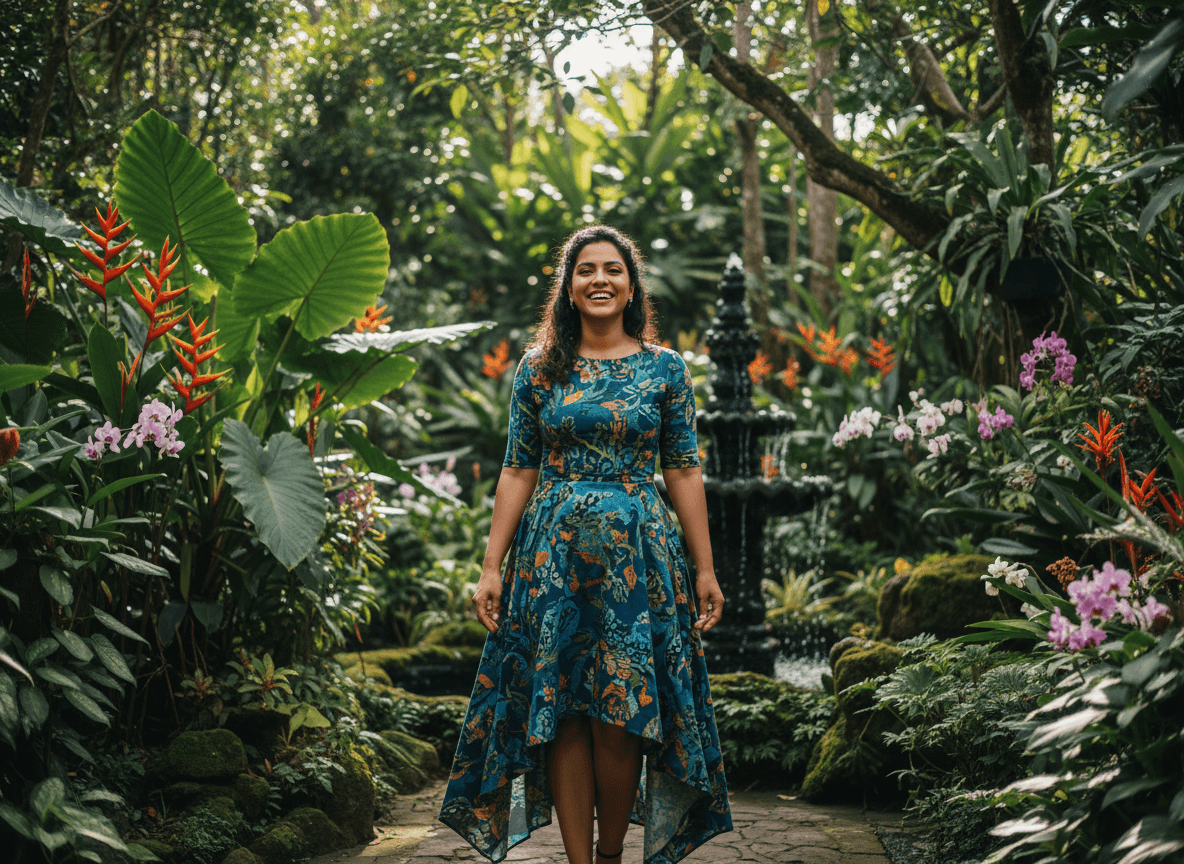
There's a unique magic woven into the very threads of Sri Lankan fashion. It’s a story told not just in silhouettes, but in the textures, colours, and ancient techniques of our island's most cherished textiles. For the modern Sri Lankan woman, navigating this rich tapestry can be both exciting and overwhelming. Do you choose the earthy comfort of Handloom, the artistic vibrancy of Batik, or the delicate intricacy of Beeralu Lace? Understanding these iconic Sri Lankan fabrics is the key to unlocking a wardrobe that is not only stylish and comfortable but also deeply connected to our heritage.
This is your ultimate guide. Whether you're dressing for a corporate meeting in Colombo, a family function in Jaffna, a breezy day along the Galle coast, or a special occasion in the Kandy hills, we’ll help you choose, style, and care for these beautiful traditional textiles. Let's celebrate the artistry that makes women's fashion in Sri Lanka so exceptionally beautiful and empower you to wear your story with confidence.

The Soulful Weave: Embracing Handloom in Your Wardrobe
Close your eyes and imagine the rhythmic clatter of a wooden loom, a sound that has echoed through Sri Lankan villages for centuries. This is the sound of handloom—a fabric that is quite literally woven with soul, patience, and generations of skill. Made primarily from natural cotton and sometimes luxurious silk, handloom is the epitome of sustainable, conscious fashion. Each piece carries the subtle imperfections and unique character of its weaver, making it a truly personal garment.
Why Handloom is Perfect for Sri Lanka's Climate
If there is one fabric designed to thrive in our tropical paradise, it is cotton handloom. Its inherent properties make it a non-negotiable staple for any Sri Lankan woman’s wardrobe.
- Unmatched Breathability: The natural cotton fibres and the unique weaving process create a lightweight, airy fabric that allows your skin to breathe. This is a lifesaver during hot, humid days, providing comfort whether you're navigating the city's heat or enjoying a quiet afternoon at home.
- Absorbent and Cool: Handloom cotton naturally wicks moisture away from the body, keeping you feeling cool and fresh throughout the day. It’s the perfect choice for our year-round warm weather.
- Durability and Graceful Ageing: High-quality handloom is incredibly durable. In fact, it has the wonderful quality of becoming softer and more comfortable with every single wash, moulding itself to you over time. It’s a fabric that doesn’t just last; it evolves.
Styling Handloom for Every Occasion
The versatility of handloom is its greatest strength. It transitions seamlessly from the boardroom to a casual brunch, embodying a quiet, sophisticated elegance.
The Quintessential Handloom Saree: A cornerstone of Sri Lankan workwear, the handloom saree in Sri Lanka is a symbol of grace and professionalism. Opt for solid colours, subtle stripes, or classic geometric patterns for the office. For festive occasions or weddings, a silk-blend handloom saree in rich jewel tones offers a regal, timeless look. The beauty of a handloom saree is that it requires minimal accessorizing; a simple pendant and elegant earrings are all you need.
Modern Silhouettes for the Modern Woman: Handloom has beautifully evolved beyond the saree. Today, you can find stunning handloom creations in contemporary styles:
- Dresses: A simple A-line or shift dress in handloom cotton is perfect for a weekend outing or a casual day at work.
- Trousers and Culottes: Wide-leg handloom trousers are unbelievably chic and comfortable. Pair them with a simple fitted top for a balanced, modern silhouette.
- Blouses and Tops: A handloom crop top paired with a high-waisted skirt or trousers is a youthful and stylish way to incorporate the fabric into your daily wear.
When styling a vibrant handloom piece, like a brightly coloured skirt or a patterned pair of trousers, the key is to let the fabric be the hero. Pair it with a simple, solid-coloured top to create a polished and balanced look. For instance, a statement handloom saree or skirt looks incredibly sophisticated when paired with this versatile black blouse, allowing the weave and colour of the handloom to truly stand out.
Caring for Your Handloom Garments
To ensure your handloom pieces last a lifetime, a little gentle care goes a long way.
- Washing: Always opt for a gentle hand wash in cold water with a mild detergent. If you must use a machine, select the delicate cycle. Wash dark colours separately for the first few washes.
- Drying: Never wring out your handloom garments. Gently squeeze out the excess water and hang them to dry in the shade. Direct sunlight can cause the natural dyes to fade over time.
- Ironing: Iron while the fabric is still slightly damp for the best results, using a medium heat setting.
The Artistic Expression: Mastering the Art of Batik
Batik is not just a fabric; it's a canvas. This ancient art of wax-resist dyeing, while having roots in Indonesia, has been embraced and reimagined in Sri Lanka to create a visual language that is uniquely our own. The process is meticulous: hot wax is hand-drawn onto fabric, which is then dyed. The wax resists the dye, and the signature "crackle" effect appears where the dye seeps through cracks in the wax. Each batik piece is a one-of-a-kind work of art, a testament to the artisan's skill and creativity.

Decoding Batik Dress Designs and Patterns
The magic of batik lies in its stunning designs. Sri Lankan batik artists draw inspiration from the island's incredible biodiversity and rich culture. Common motifs include:
- Flora and Fauna: Intricate depictions of lotus flowers, temple flowers (araliya), elephants, peacocks, and swans are perennial favourites.
- Geometric and Abstract: Modern batik often features bold geometric shapes, flowing lines, and abstract patterns, offering a contemporary take on the traditional craft.
- Cultural Scenes: Some elaborate pieces depict scenes from history, mythology, or traditional ceremonies like the Kandy Esala Perahera.
Understanding the range of batik dress designs helps you choose a piece that resonates with your personal style. You can find everything from subtle, single-colour designs perfect for a sophisticated look to bold, multi-coloured masterpieces that are guaranteed to turn heads.
How to Wear Batik with Modern Flair
Once considered primarily for special occasions or resort wear, batik has triumphantly entered the realm of everyday chic. The key is to style it with a contemporary mindset.
The Statement Piece: For a wedding, a gala, or a significant festive event, a batik saree or a flowing kaftan is an unparalleled choice. It’s dramatic, artistic, and deeply cultural. A long, elegant batik dress makes a powerful statement while keeping you comfortable in the heat. Let the batik piece be the focus by keeping your accessories and makeup refined and elegant.
Casual Chic for Everyday: Don't reserve your batik for special days!
- Batik Blouses: Pair a vibrant batik blouse with plain black trousers, a simple skirt, or even your favourite pair of jeans for an instant style upgrade.
- Batik Skirts: A batik wrap skirt is a versatile piece that can be dressed up with heels and a silk top or dressed down with sandals and a simple t-shirt.
- Batik Sarongs: A must-have for any beach holiday or a relaxed day at home. It’s the epitome of effortless island style.
A great way to dip your toes into the world of artistic prints is by layering. While a full batik outfit can feel bold, a lightweight layering piece can provide a similar breezy, artistic feel. Consider how a piece like a lightweight floral kimono jacket can be thrown over a simple tank top and trousers, adding a touch of pattern and flow to an everyday outfit, much like a modern batik shrug would.
Preserving the Vibrancy of Your Batik
Your batik garment is wearable art. To keep its colours brilliant and its fabric intact, follow these simple care steps.
- Washing: Hand wash in cold water using a very mild detergent. Always wash batik pieces separately to prevent any residual dye from bleeding onto other clothes.
- Drying: Avoid direct, harsh sunlight at all costs, as it is the primary cause of fading. Dry your batik in a shady, well-ventilated area.
- Ironing: Iron on the reverse side of the fabric using a low to medium heat setting. This protects the colours and the integrity of the design.
The Delicate Touch: The Timeless Elegance of Beeralu Lace
If handloom is the soul and batik is the art, then Beeralu lace is the poetry of Sri Lankan textiles. This intricate, handmade bobbin lace, a delicate craft passed down from the Portuguese era, is a hallmark of the island's southern coast, particularly around Galle and Matara. The creation of Beeralu is a painstaking process of twisting and braiding threads wound on small bobbins, resulting in exquisite, web-like patterns. It’s a fabric that whispers of history, romance, and heirloom quality.
Where Beeralu Shines: Occasions and Garments
Beeralu lace adds a touch of ethereal beauty and luxury to any garment it adorns. Traditionally associated with the most special of occasions, its use has expanded into more accessible, everyday elegance.
- Bridal and Formal Wear: Beeralu is most famously seen on the Kandyan wedding saree, or Osariya. The delicate lace edging on the jacket, the fall of the saree, and the veil creates a look of unparalleled bridal elegance. It's a treasured element in Sri Lankan weddings.
- Everyday Elegance: The modern woman can enjoy the beauty of Beeralu every day. Look for it as a delicate trim on the neckline or cuffs of a simple cotton blouse, along the hem of a dress, or as an insert in a sleeve. This small detail can elevate a simple garment into something truly special.
Styling Beeralu Lace for the Contemporary Woman
The key to wearing Beeralu in a modern context is balance. Its intricate, vintage charm is best highlighted when paired with clean, contemporary lines.
Subtle Sophistication: This is the easiest and most effective way to wear Beeralu. A crisp white linen blouse with a Beeralu lace collar or cuffs is a perfect example. It's professional enough for the office but special enough for a dinner out. A simple dress with a lace-trimmed hem is another beautiful, understated option.
The Bold Statement: For a truly show-stopping look, consider a full Beeralu lace blouse. To keep it modern and chic, pair it with something simple and structured on the bottom, like high-waisted crepe trousers or a plain, solid-coloured silk saree. The contrast between the intricate lace and the simple fabric creates a stunning high-fashion look.
The Gentle Care of Beeralu Lace
Given its delicate, handmade nature, Beeralu requires the most gentle care of all.
- Washing: Strictly hand wash only. Fill a basin with cool water and a drop of mild detergent. Gently submerge the garment and swish it around. Never rub or scrub the lace.
- Rinsing and Drying: Rinse thoroughly in cool water. Do not wring or twist the garment. Gently roll it in a clean, dry towel to absorb excess water, then lay it flat on another dry towel or a mesh rack to air dry, away from direct sun or heat.
- Pressing: If ironing is needed, place a clean, dry cloth over the lace and press gently with a warm iron. Never place a hot iron directly on Beeralu lace.
Making Your Choice: Handloom vs. Batik vs. Beeralu for Your Lifestyle
Now that you know the story behind each fabric, how do you choose the right one for you? Here’s a quick guide to help you decide based on your needs and the occasion.
For the Professional Woman (Office & Meetings)
Winner: Handloom. Its breathable comfort, sophisticated appearance, and understated elegance make it the undisputed champion for professional settings. A well-draped handloom saree or a smart handloom blouse projects confidence and grace.
Runner-up: A blouse with a subtle Beeralu lace trim on the collar or cuffs adds a touch of class without being distracting. A muted, single-colour batik blouse can also work in a more creative office environment.
For Festive Occasions (Weddings, Avurudu, Parties)
It’s a tie! Your choice depends entirely on the statement you want to make.
- Choose Batik for a bold, artistic, and vibrant look that celebrates colour and creativity.
- Choose Handloom Silk for timeless, regal elegance that is always in style.
- Choose Beeralu Lace for romantic, intricate, and heirloom-quality sophistication, especially for bridal or very formal events.
For Casual Days and Weekend Outings
Winner: Handloom Cotton & Batik. These two are perfect for relaxed, stylish comfort.
- Handloom cotton dresses, tops, and trousers are perfect for running errands, meeting friends for coffee, or a comfortable day at home.
- Batik kaftans, sarongs, and casual dresses are the ultimate choice for beach trips, resort holidays, or a leisurely Sunday brunch. Their breezy feel is unmatched. For a similar relaxed vibe, an easy-to-wear piece like this flowy floral tiered long dress captures that essence of effortless weekend style.
Frequently Asked Questions (FAQ) about Sri Lankan Fabrics
We've gathered some of the most common questions our customers ask about these beautiful textiles. Here are the answers to help you shop and style with confidence.
1. Can I wear these traditional fabrics for modern, Western-style clothing?
Absolutely! This is one of the most exciting developments in Sri Lankan fashion. Designers are increasingly using handloom, batik, and even beeralu lace to create contemporary silhouettes like jumpsuits, sharp blazers, crop tops, shorts, and structured trousers. It's a beautiful fusion of heritage and modernity. Don't be afraid to experiment!
2. Are handloom and batik fabrics expensive?
The price of authentic, handmade fabrics reflects the incredible amount of time, skill, and artistry that goes into each piece. A hand-drawn batik saree can take days or even weeks to create. A handloom textile is woven thread by thread. Think of them not as mere clothing, but as investment pieces of wearable art that support local artisans and preserve our cultural heritage.
3. How can I tell if a batik piece is authentic?
Authentic handmade batik has a few tell-tale signs. First, look for the 'human touch'—slight variations or imperfections in the pattern. Second, check the reverse side of the fabric. In true batik, the dye penetrates all the way through, so the pattern will be visible (though often slightly lighter) on the back. Machine-printed imitations are typically printed on one side only and look flat.
4. Which fabric is best for the hot and humid climate in coastal areas like Colombo or Galle?
For sheer breathability and comfort in high humidity, cotton handloom is the absolute winner. Its natural fibres and weave allow for maximum air circulation. That said, lightweight batik on natural fabrics like cotton or viscose is also a fantastic and popular choice, offering that breezy, artistic flair perfect for coastal living.
5. I'm based in Kandy. Are there specific ways to style these fabrics that are unique to the hill country?
While these fabrics are loved across the nation, there are some wonderful style traditions in the hill country. Handloom is the quintessential fabric for the iconic Kandyan Saree (Osariya), both for daily wear and formal occasions. The slightly cooler climate in Kandy and its surroundings also allows for stylish layering. A chic handloom or batik jacket or shawl is a practical and fashionable addition to an outfit, something that might be too warm for the coast. And of course, Beeralu lace remains a treasured and essential detail on Kandyan bridal attire.