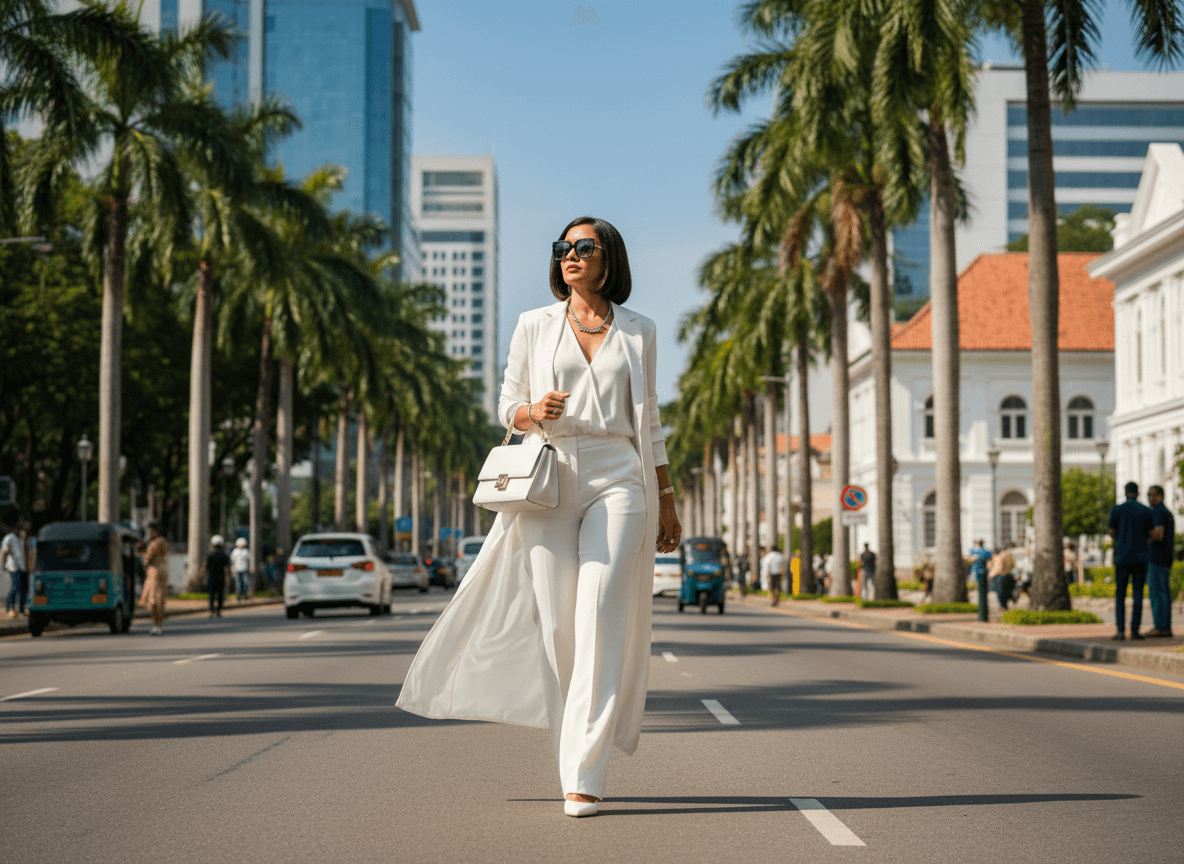
There is nothing quite as effortlessly chic as slipping into a crisp, bright white outfit. It is the ultimate style statement for modern women—radiating confidence, sophistication, and a clean, minimalist aesthetic. But let us be honest: maintaining that flawless look in our beautiful island nation is a daily battle. Between the intense tropical heat, the relentless humidity, and the inevitable monsoon dampness, white clothing care in Sri Lanka can feel like an impossible task. If you have ever pulled a favorite white blouse out of your wardrobe only to find mysterious yellow stains, or retired a brand-new top because of stubborn underarm discoloration, you are not alone.
For many women, the fear of ruining a pristine white garment means shying away from buying them altogether. But in 2026, modern tropical wardrobes demand light, airy, and bright pieces. You should not have to compromise your style because of the climate. It is time to reclaim your wardrobe and wear your whites with absolute confidence.
In this comprehensive guide, we are diving deep into tropical wardrobe maintenance. We will uncover the real reasons your clothes lose their brilliance, share foolproof methods for sweat stain removal, and teach you exactly how to prevent yellowing clothes. From mastering your bright whites laundry routine to humidity-proof storage, this is your ultimate rescue manual for beating the heat and keeping your whites looking brand new.
The Science of Stains: Why Do Whites Turn Yellow in Sri Lanka?
Before we can fix the problem, we need to understand the enemy. Yellowing and discoloration are not signs that you are bad at doing laundry; they are the result of specific chemical reactions that are amplified by our tropical climate.
The Humidity, Sweat, and Deodorant Triangle
The number one culprit behind those stubborn yellow underarm stains is not actually your sweat. Sweat itself is mostly water, salt, and trace amounts of proteins and oils. It is entirely colorless. The yellowing occurs when the proteins in your sweat mix with the active ingredients in your antiperspirant—specifically, aluminum compounds.
When you step out into the humid Colombo heat, your body naturally produces more sweat to cool you down. This sweat reacts with the aluminum in your deodorant, creating a yellowish compound that binds tightly to the fibers of your clothing. The longer this mixture sits on the fabric, the harder it is to remove. In a climate where we sweat daily, this buildup happens incredibly fast if not treated correctly.
Environmental Pollutants and Dust
Our bustling Sri Lankan cities are full of life, but they are also full of dust, vehicle exhaust, and environmental pollutants. When you wear white, these microscopic particles cling to the fabric. Over time, and especially when mixed with the natural oils your skin produces, this environmental grime creates an overall dingy, grayish-yellow cast over your once-bright whites.
The Hard Water Factor
Depending on where you live in Sri Lanka, you might be washing your clothes in hard water. Hard water contains high levels of dissolved minerals like calcium and magnesium. When you wash white clothes in hard water, these minerals can react with your laundry detergent, preventing it from lathering properly and leaving a scummy residue on your clothes. This residue traps dirt and body oils in the fabric, accelerating the yellowing process.
Pre-Wear Strategies: Tropical Wardrobe Maintenance Essentials
The secret to perfect white clothing care in Sri Lanka starts long before your clothes ever hit the laundry basket. Prevention is always better than a cure. By tweaking your daily dressing routine, you can drastically reduce the chances of stains forming in the first place.
Choosing the Right Antiperspirants
Since aluminum is the primary catalyst for yellow underarm stains, the easiest way to prevent them is to rethink your deodorant. Consider switching to an aluminum-free deodorant for the days you plan to wear white. The beauty market in 2026 offers incredible natural and clinical-strength options that neutralize odor without the harsh metals that ruin your clothes.
If you must use an aluminum-based antiperspirant, application technique is crucial. Apply a thin layer and wait at least ten to fifteen minutes for it to completely dry before putting on your white garment. Never dress while your underarms are still damp from the product.
Fabric Choice Matters for the Tropics
Not all white fabrics are created equal, especially when battling heat and humidity. Synthetic fabrics like polyester and nylon trap heat, causing you to sweat more. Worse, they hold onto body oils stubbornly, making them highly susceptible to holding onto odors and turning gray over time.
Always opt for breathable, natural, or high-quality modern blends. Cotton, linen, and modal allow air to circulate, keeping your body temperature regulated. For instance, a beautifully crafted crisp white striped top made from breathable materials will not only keep you looking effortlessly stylish for a smart-casual office look, but it will also minimize the amount you sweat compared to a synthetic equivalent.
The "Cool Down" Rule
In our tropical climate, taking a shower is often followed by immediate sweating if you do not cool down properly. A golden rule of tropical wardrobe maintenance is to wait until your body temperature has dropped before putting on your white clothes. Sit under a fan or in an air-conditioned room for a few minutes after your shower. Putting on white clothes while your skin is still hot and slightly damp guarantees that body oils and moisture will immediately transfer to the fabric.
Master Class: Sweat Stain Removal for White Clothes
Even with the best preventative measures, stains happen. Whether it is a long day running errands or an outdoor brunch that got a little too warm, knowing how to execute proper sweat stain removal is a non-negotiable skill for modern dressing.
The Immediate Action Plan
Time is of the essence. The longer a stain sits, the deeper it sets into the fibers. As soon as you take off a white garment that has been exposed to heavy sweat, do not just toss it into the laundry hamper to sit for three days. The heat and humidity inside a closed laundry basket will act as an incubator, baking the stain into the fabric.
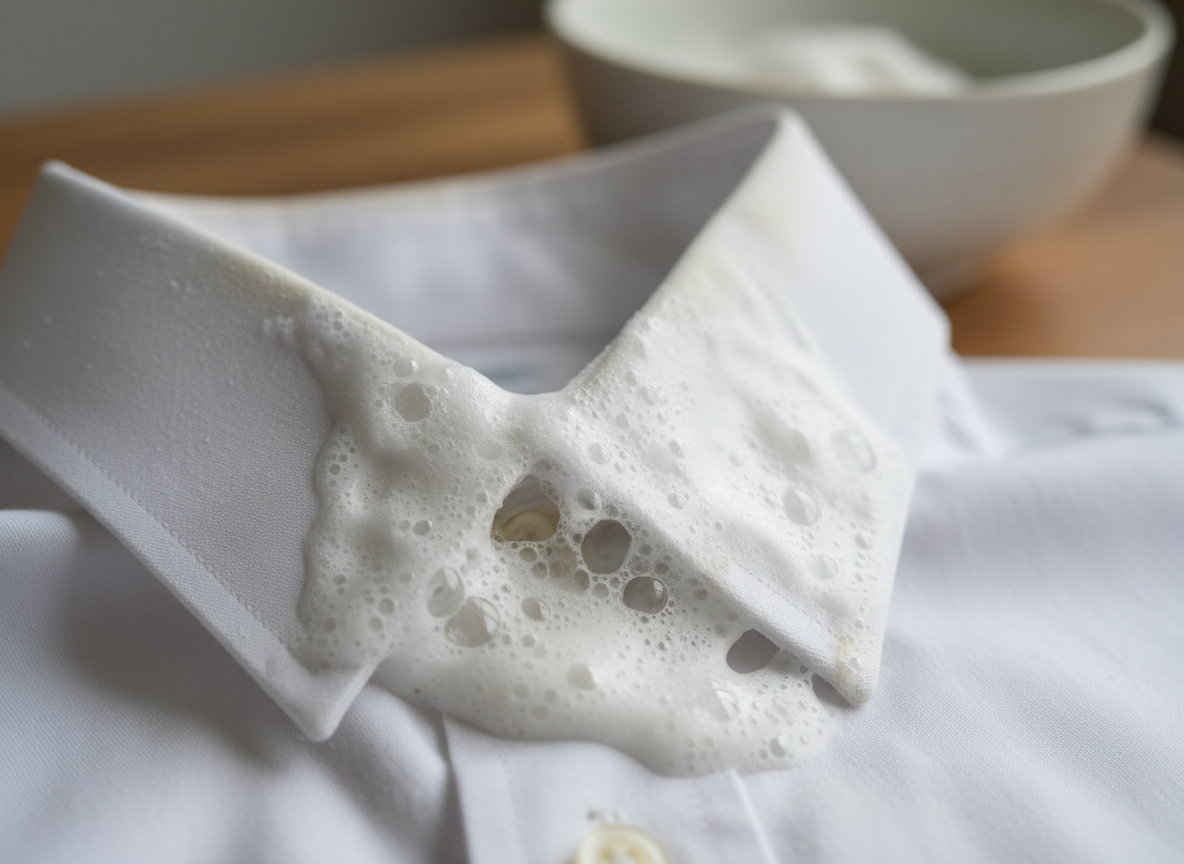
Instead, immediately rinse the affected areas (like the underarms and collar) with cold water. Never use warm or hot water on a fresh sweat stain—heat will cook the proteins in the sweat, permanently setting the yellow color into the fabric.
DIY Stain Removers That Actually Work
You do not need harsh, expensive chemicals to save your clothes. Some of the most effective stain fighters are already in your kitchen cabinet.
- The Baking Soda and Hydrogen Peroxide Paste: This is the holy grail of sweat stain removal. Mix equal parts baking soda, hydrogen peroxide, and water to form a thick paste. Rub this paste generously into the yellowed areas using an old, soft-bristled toothbrush. Let it sit for 30 to 45 minutes before washing as usual. The hydrogen peroxide acts as a gentle, color-safe bleach, while the baking soda lifts the proteins.
- The White Vinegar Soak: For clothes that are just starting to look a bit dull or have mild yellowing, white vinegar is a miracle worker. Mix two cups of white vinegar with two liters of cold water and let your white garment soak for an hour. Vinegar naturally breaks down the buildup of deodorant and body oils.
- The Aspirin Trick: Crush three to four uncoated aspirin tablets and dissolve them in a half cup of warm water. Apply this solution directly to the sweat stains and let it sit for two hours. The salicylic acid in the aspirin works brilliantly to break down the chemical bonds of the sweat and aluminum mixture.
What to Avoid: The Bleach Myth
Here is the most important rule of white clothing care in Sri Lanka: Step away from the chlorine bleach! It is a common misconception that soaking yellowed whites in bleach will make them bright again. In reality, chlorine bleach reacts violently with the proteins in human sweat. If you use bleach on an underarm stain, it will actually oxidize the proteins and turn the stain a darker, more permanent shade of yellow. Save the bleach for your towels and bedsheets, and keep it far away from your favorite modern fashion pieces.
Bright Whites Laundry Routine for the Tropics
Your everyday washing habits dictate the lifespan of your clothing. To maintain a wardrobe full of pristine, modern whites, you need to treat your bright whites laundry routine as a specialized process.
Sorting Like a Pro
We all know we should separate lights from darks, but to truly prevent yellowing clothes, you need to be uncompromising. White clothes should only ever be washed with other pure white clothes. Do not throw in light gray, pastel pink, or beige items. Even the slightest amount of dye transfer over multiple washes will turn your crisp whites into a murky, dingy gray.
Washing Machine Settings and Detergents
When washing whites, always opt for an enzyme-based liquid detergent. Enzymes are biological molecules that specifically target and break down protein and oil stains (like sweat and sebum) without damaging the fabric.
Set your washing machine to a warm water setting (around 30°C to 40°C). Cold water is great for preventing shrinkage, but it is often not strong enough to dissolve body oils. Hot water, on the other hand, can set protein stains. Warm water is the perfect middle ground. Additionally, do not overload your washing machine. Clothes need room to agitate and circulate in the water. If the machine is packed too tightly, the detergent cannot rinse out properly, leaving a residue that attracts dirt.
Sun Drying: Sri Lanka's Secret Weapon
We have an incredible, free resource for white clothing care in Sri Lanka shining down on us almost every day: the tropical sun. The ultraviolet (UV) rays from the sun have a natural bleaching effect that works wonders on white fabrics.
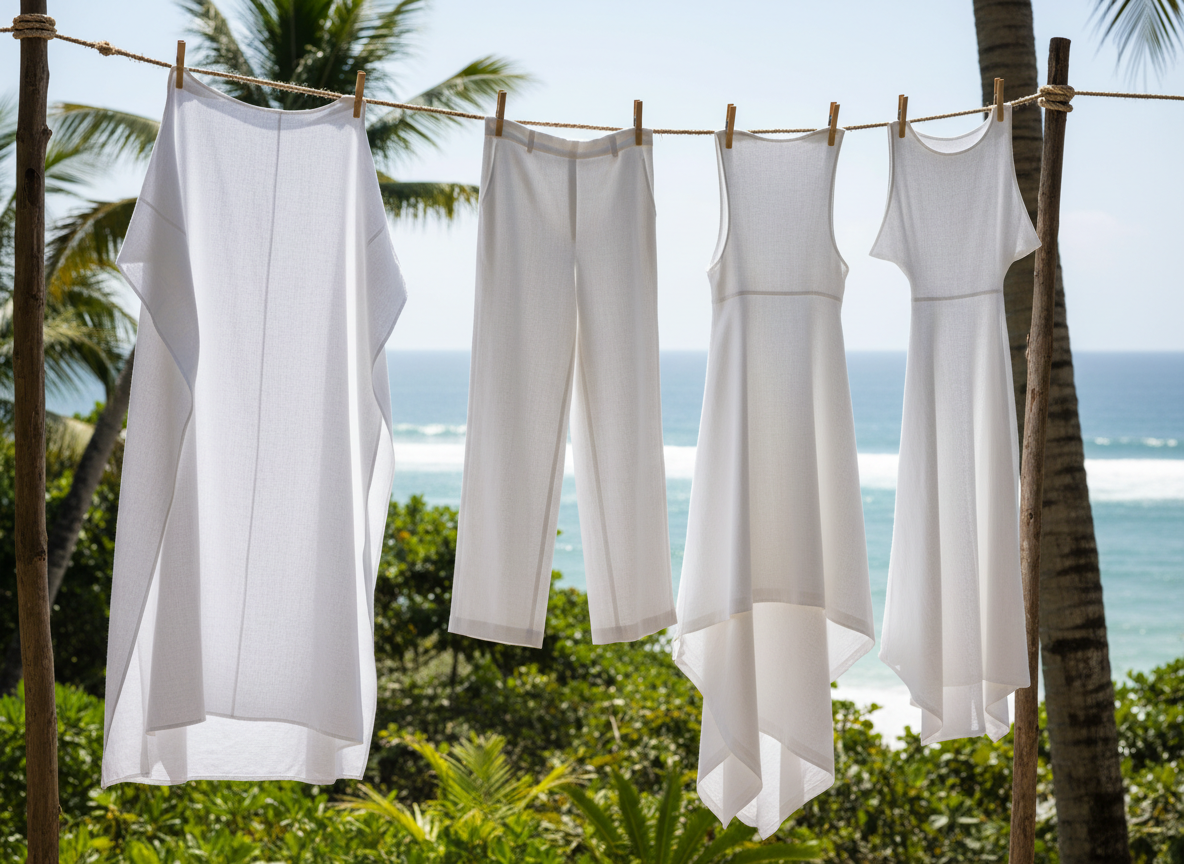
Skip the tumble dryer—which can bake in unseen stains and cause shrinkage—and line-dry your whites outdoors in direct sunlight. However, timing is key. Leave them in the sun just long enough to dry completely (usually 1-2 hours in the midday Sri Lankan heat). Leaving them out for days can weaken the fibers and cause the fabric to become brittle.
How to Prevent Yellowing Clothes in Storage
You have successfully worn, treated, and washed your whites. But the battle isn't over. In Sri Lanka, how you store your clothes is just as important as how you wash them. The extreme humidity, especially during the monsoon seasons, creates the perfect breeding ground for mold, mildew, and chemical oxidation—all of which lead to yellowing.
The Monsoon Moisture Trap
During the heavy rains, the air inside your wardrobe can become incredibly damp. Moisture in the air reacts with microscopic impurities left on your clothes, causing them to oxidize and turn yellow while they sit untouched in your closet. To combat this, you must control the humidity in your wardrobe.
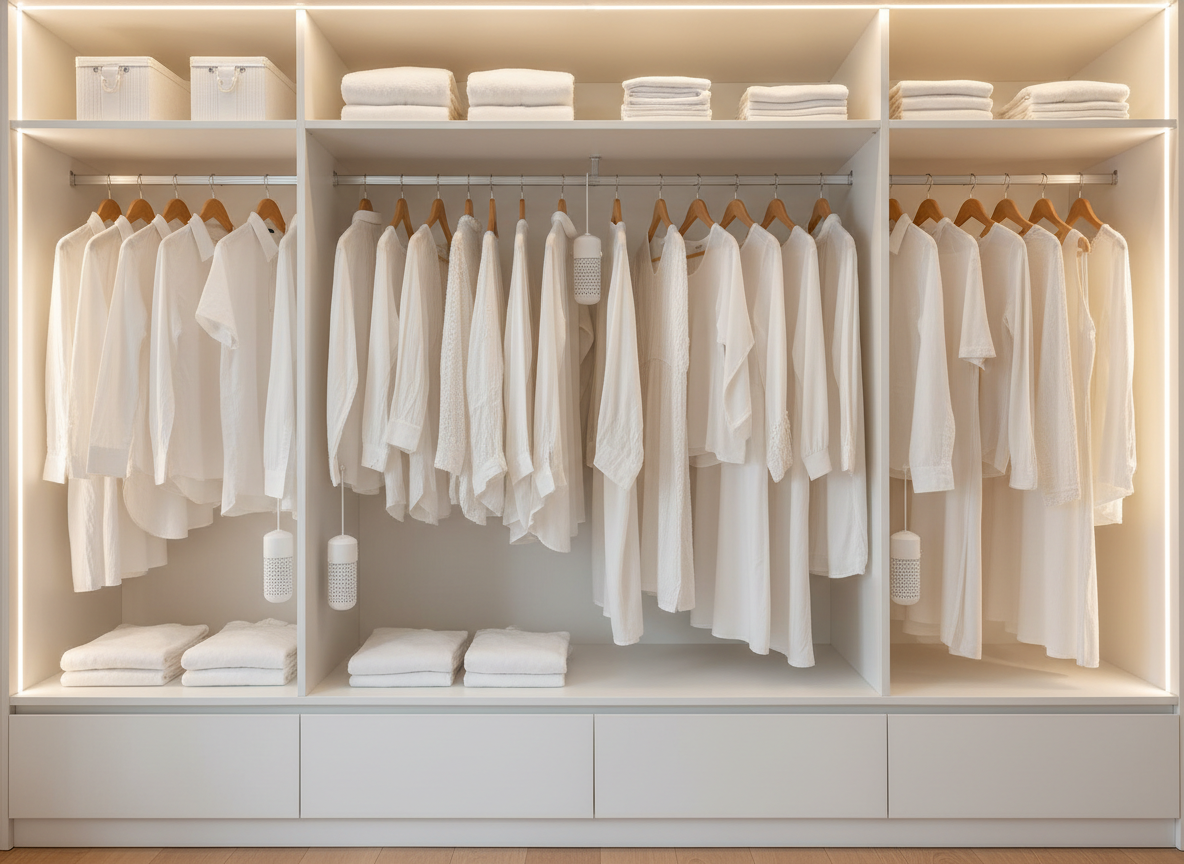
Invest in reusable silica gel packets, bamboo charcoal bags, or hanging wardrobe dehumidifiers. Place these strategically on your shelves and hang them between your clothes. You will be shocked at how much water they collect in just a few weeks. By keeping the air dry, you significantly prevent yellowing clothes.
Wrapping and Hanging Techniques
Never store your white clothes in the plastic dry-cleaning bags they came in. Plastic traps moisture and emits gases over time that cause severe yellowing. Instead, if you are storing a delicate piece—like a stunning breezy white floral maxi dress—for the season, wrap it in acid-free tissue paper and place it in a breathable 100% cotton garment bag.
For everyday hanging, avoid cheap wire hangers, which can rust in high humidity and permanently stain your clothes. Opt for smooth wooden hangers or padded fabric hangers. Ensure there is enough space between garments in your closet to allow air to circulate; tightly packed clothes absorb moisture from each other and are more prone to mildew.
The "Wash Before You Store" Rule
Never, under any circumstances, put a white garment back in your closet if you have worn it, even if it was just for an hour and it "looks clean." Invisible body oils, perfume, and deodorant residue will oxidize over time. A shirt that looked perfectly white when you put it away in May could emerge with yellow spots in July. Always wash white garments before returning them to your wardrobe.
Embracing the White Wardrobe in 2026
Building a wardrobe full of modern, trendy white pieces does not have to be a source of stress. The sophisticated wide-leg trousers, the chic structured blouses, and the flowing summer dresses that define 2026 fashion are entirely wearable in Sri Lanka when you arm yourself with the right knowledge.
By understanding the science of stains, upgrading your pre-wear habits, mastering DIY sweat stain removal, and optimizing your bright whites laundry and storage routines, you can conquer the climate. You are now equipped to keep your whites looking as pristine, crisp, and brilliant as the day you bought them.
Frequently Asked Questions (FAQ)
Can I use bleach on my white clothes if they are heavily stained?
No, you should avoid chlorine bleach for sweat stains. Bleach reacts with the proteins in sweat and the aluminum in deodorant, causing oxidation that will actually make the yellow stains darker and more permanent. Stick to oxygen-based brighteners, hydrogen peroxide, or baking soda pastes for effective white clothing care in Sri Lanka.
How often should I wash my white garments in Sri Lanka's climate?
You should wash your white garments after every single wear. Because of the heat and humidity, your clothes absorb body oils, sweat, and environmental dust quickly. Even if the garment looks clean, invisible residues will oxidize in your wardrobe and cause yellowing over time.
Does ironing cause my white clothes to turn yellow?
It can, if not done correctly. If you iron a white garment that has not been thoroughly cleaned, the heat from the iron will permanently bake invisible protein stains and body oils into the fabric, turning them yellow. Always ensure your clothes are 100% clean. Additionally, using an iron that is too hot can scorch delicate fibers; always use the correct temperature setting for the specific fabric.
Why do my stored white clothes turn yellow in the wardrobe during the monsoon?
This is due to the high humidity trapping moisture in the fabric, leading to oxidation of microscopic dirt or residual laundry detergent, as well as potential mildew growth. To prevent yellowing clothes in storage, ensure they are completely dry before putting them away, use wardrobe dehumidifiers or silica gel packets, and never store them in plastic bags.
Can dry cleaning fix old, set-in yellow sweat stains?
Sometimes, but it is not guaranteed. Dry cleaners use specialized chemical solvents that are great for oil-based stains, but older, set-in protein and aluminum stains actually change the chemical structure of the fabric dye (or the fabric itself). It is always best to treat the stain immediately using the DIY methods mentioned above rather than waiting for a dry cleaning trip.